10% Off Septic Tank Repair
10% Off Septic Tank Repair
Clean Solutions, Dirty Jobs – Done Right. Reliable. Responsive. Remarkable.
10% Off Septic Tank Repair
10% Off Septic Tank Repair
Clean Solutions, Dirty Jobs – Done Right. Reliable. Responsive. Remarkable.
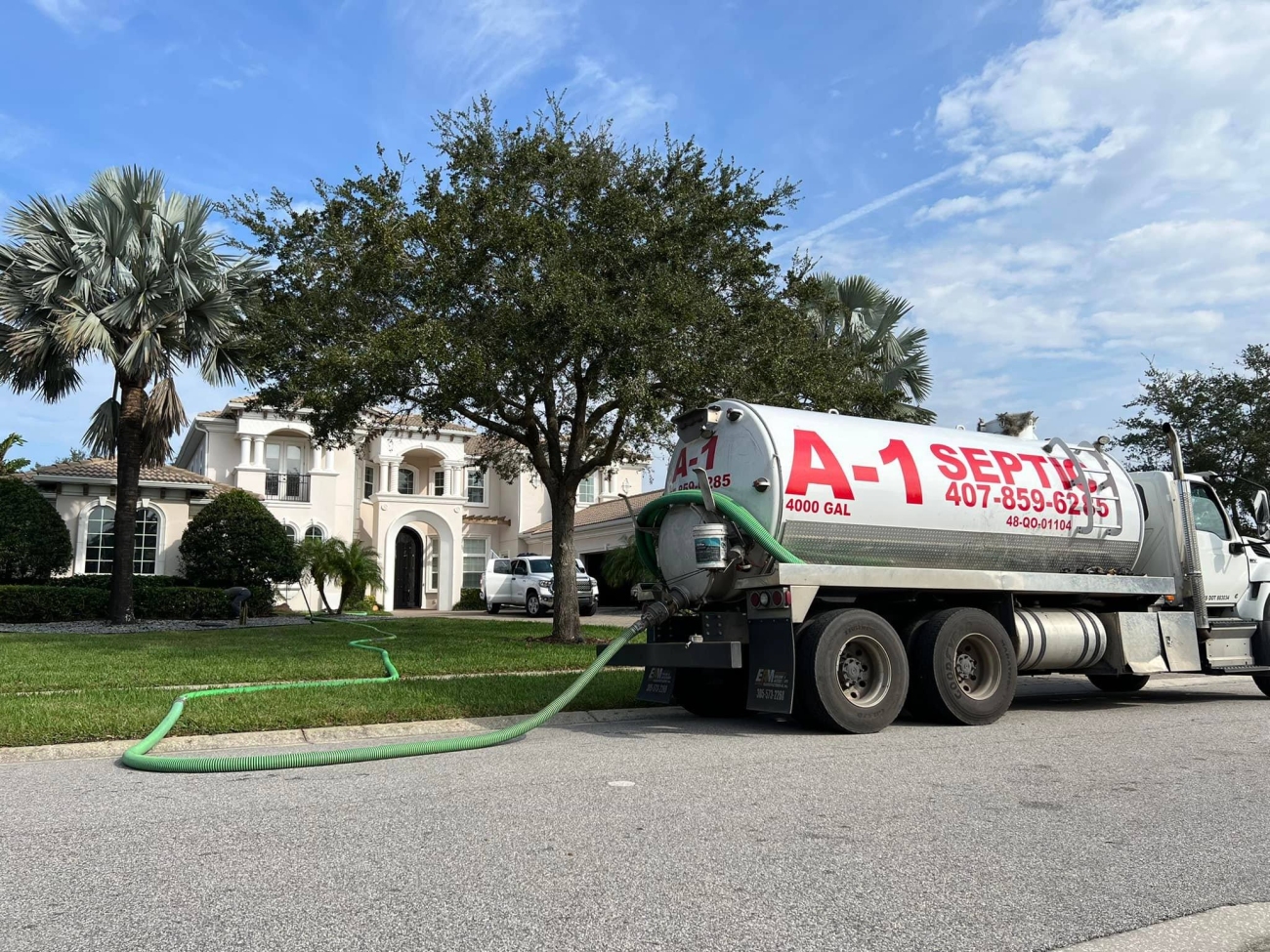
If you are a first-time landlord or just the average homeowner, then you probably don’t know much about on-site wastewater treatment systems. Whether you are considering a septic installation or are looking for a more efficient solution for your property, understanding the different systems on the market can make a big difference. At A1 Septic, we leverage extensive industry expertise and experience to help you differentiate between aerobic and conventional systems. By familiarizing yourself with the intricacies of both wastewater systems, you can make an educated decision on which unit is right for your home.

Conventional or anaerobic septic systems are significantly simpler than their aerobic counterparts. These on-site systems are designed to collect wastewater from your drains in an underground tank. Beneficial bacteria break down waste, separating liquid effluent from solids and scum. The heavy materials sink to the bottom, forming a dense sludge layer over time. If you neglect regular septic maintenance, particularly pumping and cleaning, sludge can interfere with this process and cause messy disasters.
The wastewater treatment process in conventional systems is relatively simple, which means that fewer mechanical components are required to support functionality. If you want a system that’s straightforward to operate, consult your local septic company in Orlando, FL for advice. Remember, the effectiveness of anaerobic systems depends on suitable soil conditions, adequate drainage, and proper sizing.
Aerobic systems are more expensive and require multiple components to function reliably. Whether you have purchased a house with an on-site system or are considering a full septic installation, familiarizing yourself with the different sections of an aerobic tank can make a big difference. Septic service providers often install these parts as one large unit or different units, depending on your layout and type.
When wastewater enters the tank, a mechanical aerator pumps air into the tank, creating an oxygen-rich environment for beneficial bacteria. These microorganisms break down solid organic matter more aggressively than the bacteria in conventional systems, making aerobic systems more effective. The result is high-quality effluent and fewer septic cleaning emergencies.
Perhaps the biggest difference between conventional and aerobic is the way organic waste is treated. Conventional septic systems rely on anaerobic processes inside the septic tank and further treatment in the soil. Conversely, aerobic systems use oxygen to support microbial activity that is crucial for proper breakdown.
The reality is that these systems are suited for different properties. By consulting a professional septic service provider, you can account for crucial factors that affect performance. These include septic installation, design, maintenance, loading, and local requirements, as they influence the actual performance. A properly designed system can provide effective wastewater treatment when the site conditions are appropriate.
Another important consideration when differentiating aerobic and conventional systems is septic maintenance. As stated, a conventional system is simple and doesn’t require many mechanical components to operate. However, routine septic inspections, pumping sessions, responsible water use, and drain field care go a long way in ensuring reliable performance year-round.
Aerobic systems are more complex and require many of the same basic septic practices to operate efficiently. Unlike the latter, aerobic systems rely on aerators, pumps, alarms, and electrical components that need attention. In the case of a mechanical failure or irregular septic inspections, the performance can decline. By hiring a reputable septic company for routine maintenance, you can rest assured that every aspect of your system is in good working order.
Although aerobic and anaerobic systems serve the same purpose, they treat wastewater differently. Contact A1 Septic to book an appointment with our experts and learn more about on-site wastewater treatment systems. We provide comprehensive services, including septic cleaning and repair, to keep your home healthy and comfortable for years to come.
At A1 Septic, we offer a full range of services to keep your system operating at its best. From septic tank pumping and inspections to repairs and new installations, our experienced team ensures every job is handled with care and precision.
Most people ignore their septic system until something smells off or the yard gets wet in places that should stay dry.…
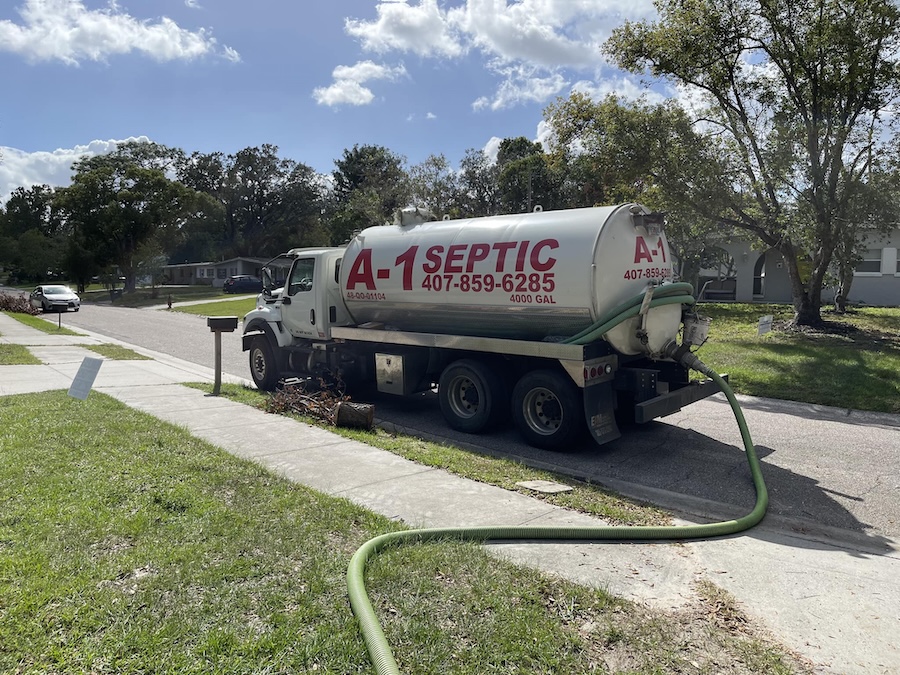
Every restaurant, café, and commercial kitchen relies on its grease trap to keep wastewater systems clear and local codes satisfied. When…
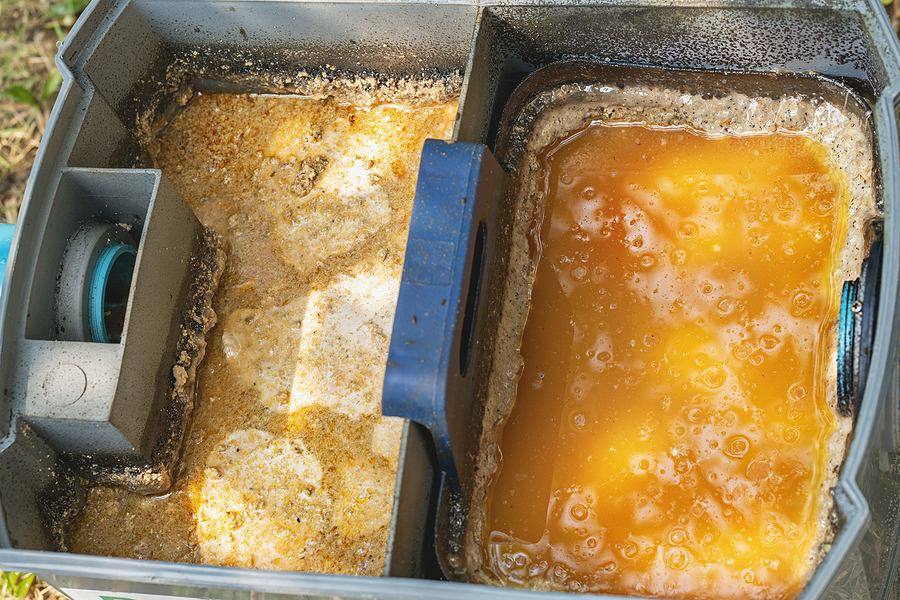
When people talk about septic systems, they usually think about the tank. But what happens after wastewater leaves that tank matters…
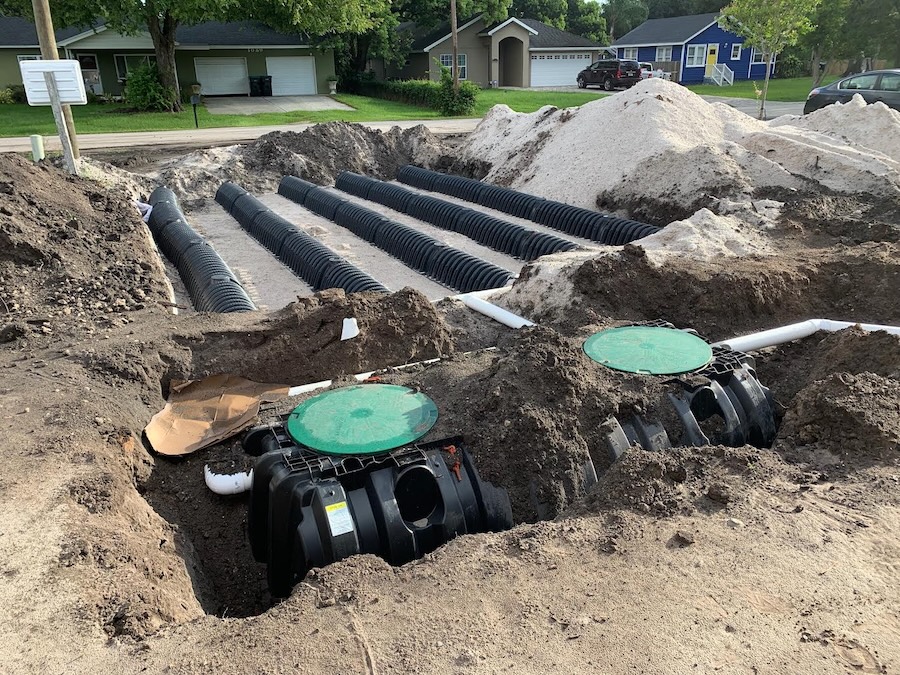
If your property has poor soil drainage or sits on a high water table, a traditional septic system won’t work. In…
 Oct 09, 2026
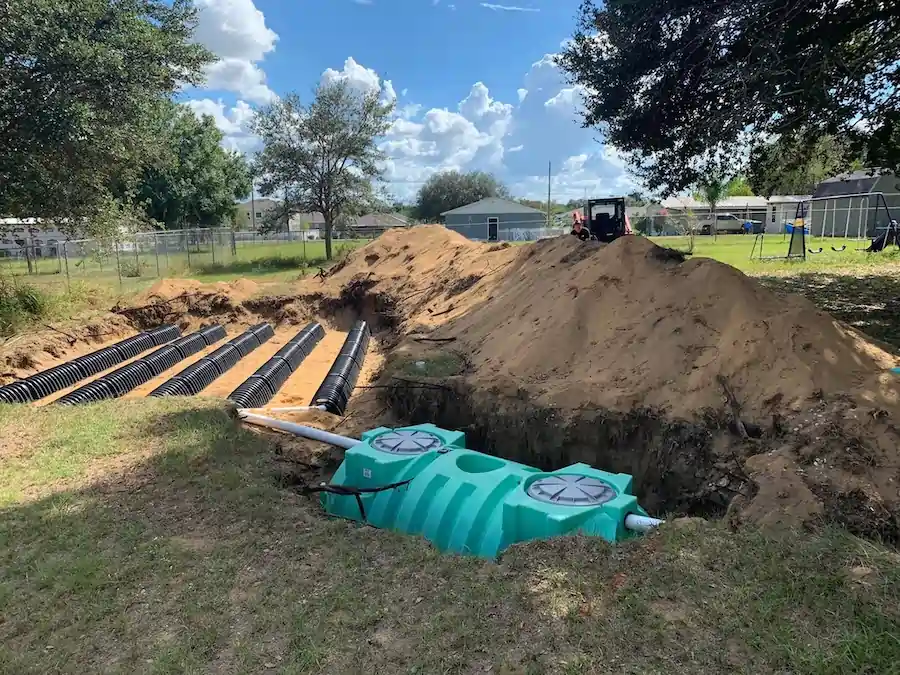
When the septic installation site is below the level of a property’s septic tank or main sewer line connection, wastewater cannot…
Read More Oct 03, 2026
A septic inspection is more than checking whether wastewater currently disappears when you flush a toilet. The system beneath your…
Read More Sep 26, 2026
Septic systems have one of the most important jobs in properties without a public sewer system: treating and dispersing household wastewater.…
Read More Sep 19, 2026
If you are a first-time landlord or just the average homeowner, then you probably don’t know much about on-site wastewater treatment…
Read More Sep 12, 2026
When your septic system is running smoothly, you probably don’t take a moment to think about it. But when you start…
Read More