10% Off Septic Tank Repair
10% Off Septic Tank Repair
Clean Solutions, Dirty Jobs – Done Right. Reliable. Responsive. Remarkable.
10% Off Septic Tank Repair
10% Off Septic Tank Repair
Clean Solutions, Dirty Jobs – Done Right. Reliable. Responsive. Remarkable.
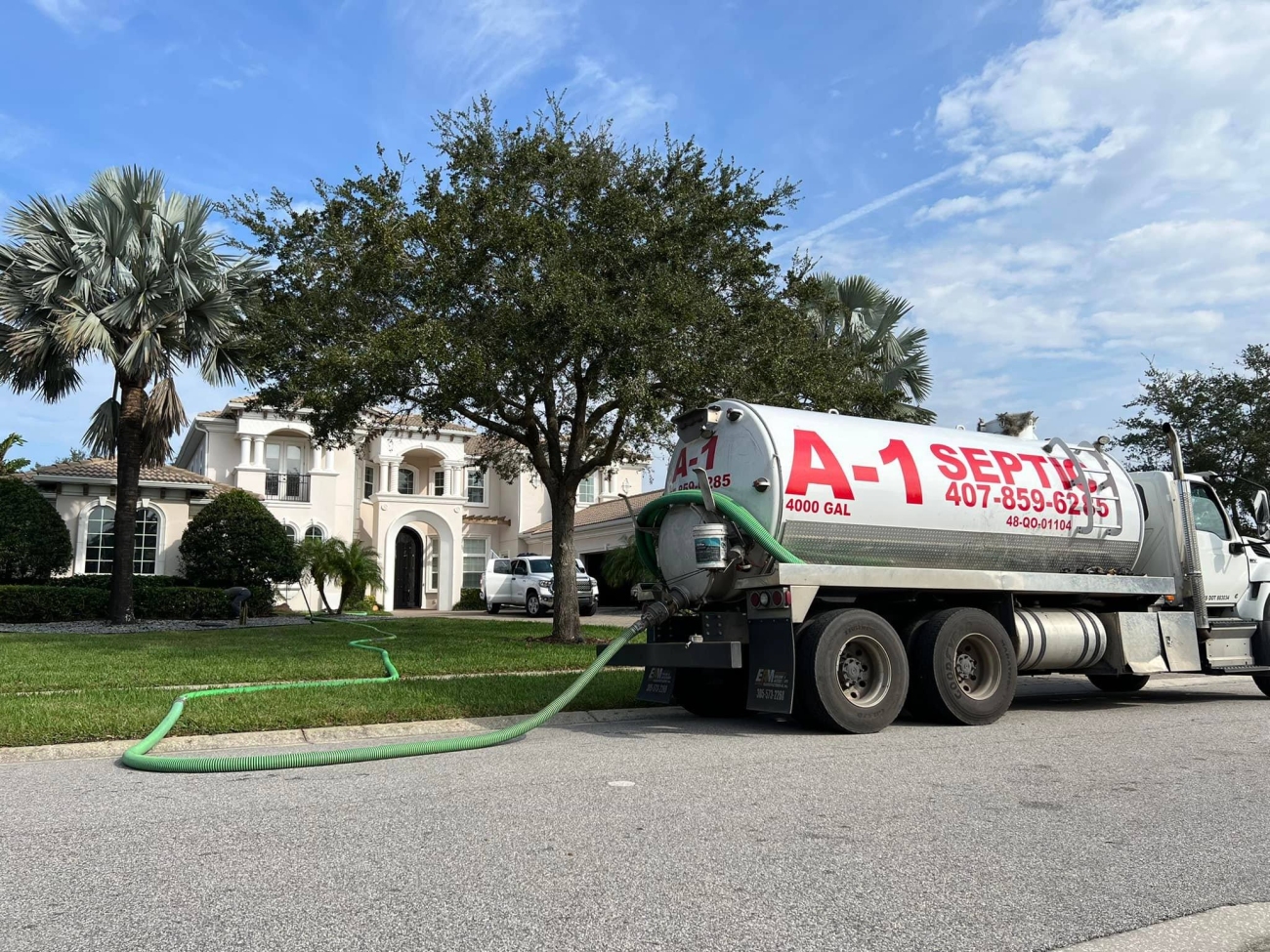
As a property owner, maintaining a reliable and functioning septic system is essential. A septic tank plays a crucial role in keeping your plumbing system flowing smoothly. Wastewater from your kitchen sink, bathroom, laundry, and other fixtures collects in the tank for separation and dispersal. Over time, solid waste at the bottom and scum form thick sludge that obstructs this process and causes system failure. However, the cause isn’t always straightforward, and homeowners have a hard time determining whether they are dealing with a clogged pipe or a full septic tank. Here’s a detailed guide from AI Septic to help you make informed decisions.

Before we delve into troubleshooting, it’s crucial to understand the basic structure of your wastewater system. A standard system consists of two main parts: the tank and the drain field. While both components are buried, they have different functions that contribute to the performance of your plumbing system.
Septic tanks are large containers designed to hold wastewater from residential and commercial properties without a public sewer system. Wastewater from your drains and toilets collects in the tank for separation. This process relies on a healthy balance of bacteria to break down waste and separate solids from liquids. The liquid effluent enters the drain field, leaving behind sludge to accumulate if you neglect regular septic pumping in The Orlando, FL.
Once the effluent enters the drain field, it passes through perforated pipes for further filtration into the soil before rejoining groundwater. If solids in the tank exceed safe levels, they can spill over and clog the drain field pipe. Proper septic maintenance covers both components, ensuring they perform reliably all year round.
A full septic tank is not uncommon, especially if you think about all the materials that go down your drains and toilet. Over time, solid waste can accumulate in the tank and reduce the capacity for wastewater. If you neglect routine septic inspection and maintenance, it can lead to system failure and costly hazards. Here are key signs you need to call a septic service for pumping services.
One of the most obvious signs your tank is full is slow drainage. If your sinks, showers, and toilets are draining more slowly than usual, it could be a sign that the tank is nearing capacity. A tank that doesn’t have enough space can lead to backups into your home and subsequent hazards.
Another sign you are due for septic cleaning and maintenance is persistent foul smells in your yard near the drain field or from your drains. While these odors may seem minor at first, they are warning signs you shouldn’t ignore. Call a local septic service to inspect, diagnose, and address the root cause to restore functionality.
If you notice pools of wastewater or soggy patches near the septic installation site, it may be time to schedule professional pumping services. A reputable septic service provider can inspect your layout to determine whether it is a clogged drain field pipe or a full tank. Early intervention is crucial to prevent environmental contamination and other hazardous situations.
Whether your drain field line is clogged or the tank is full, addressing the problem promptly is essential to avoid disruptions and costly repairs. Regular septic inspection and maintenance can go a long way in ensuring your unit is in good working order. Contact A1 Septic to schedule a consultation with our experts and ensure your system is in good working condition for many years to come.
At A1 Septic, we offer a full range of services to keep your system operating at its best. From septic tank pumping and inspections to repairs and new installations, our experienced team ensures every job is handled with care and precision.
Most people ignore their septic system until something smells off or the yard gets wet in places that should stay dry.…
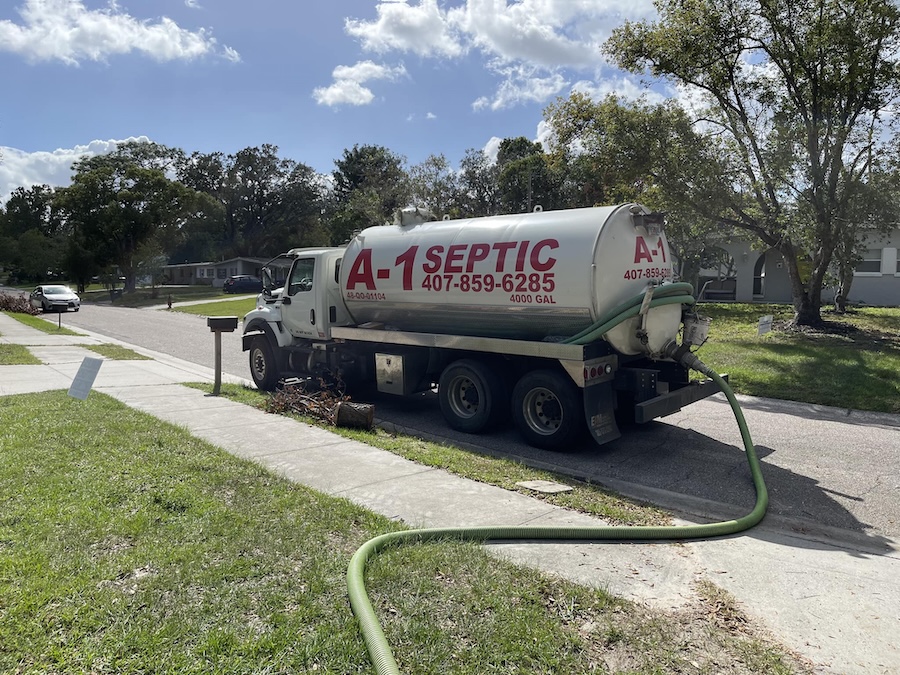
Every restaurant, café, and commercial kitchen relies on its grease trap to keep wastewater systems clear and local codes satisfied. When…
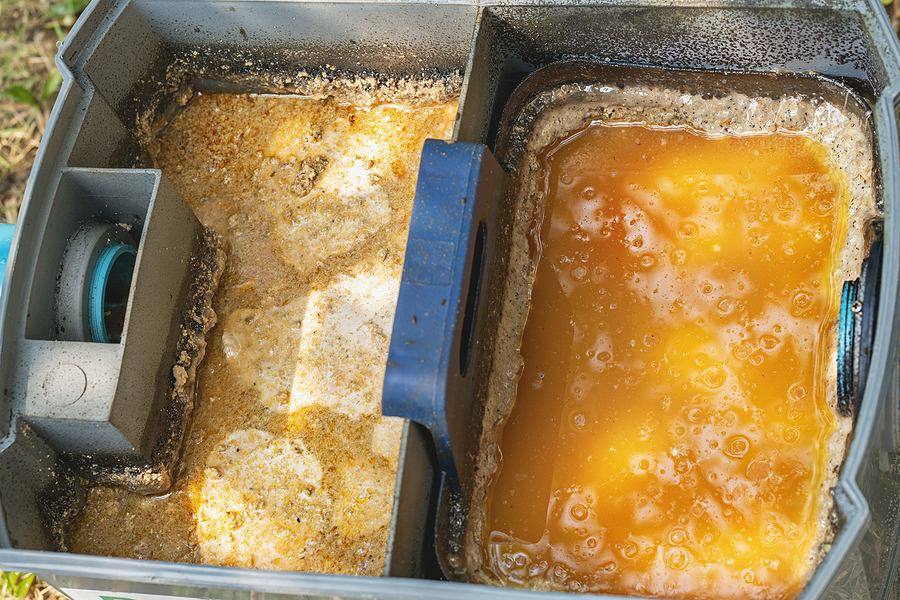
When people talk about septic systems, they usually think about the tank. But what happens after wastewater leaves that tank matters…
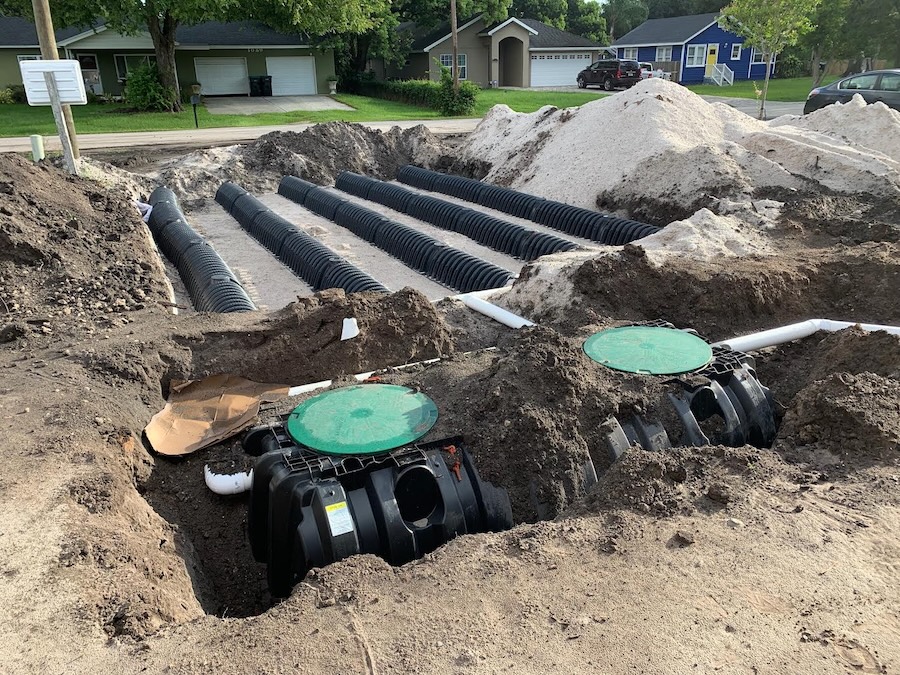
If your property has poor soil drainage or sits on a high water table, a traditional septic system won’t work. In…
 Nov 10, 2026
Septic installation is a significant investment in the safety, convenience, and comfort of your property. With that said, taking time to…
Read More Oct 30, 2026
As a property owner with an on-site wastewater treatment system, keeping up with scheduled septic cleaning in Orlando, FL is…
Read More Oct 26, 2026
As a property owner, maintaining a reliable and functioning septic system is essential. A septic tank plays a crucial role in…
Read More Oct 17, 2026
Septic systems are designed to work behind the scenes, helping properties manage wastewater efficiently and safely. While this discreet feature may…
Read More Oct 09, 2026
When the septic installation site is below the level of a property’s septic tank or main sewer line connection, wastewater cannot…
Read More