
10% Off Septic Tank Repair
10% Off Septic Tank Repair
Clean Solutions, Dirty Jobs – Done Right. Reliable. Responsive. Remarkable.
10% Off Septic Tank Repair
10% Off Septic Tank Repair
Clean Solutions, Dirty Jobs – Done Right. Reliable. Responsive. Remarkable.
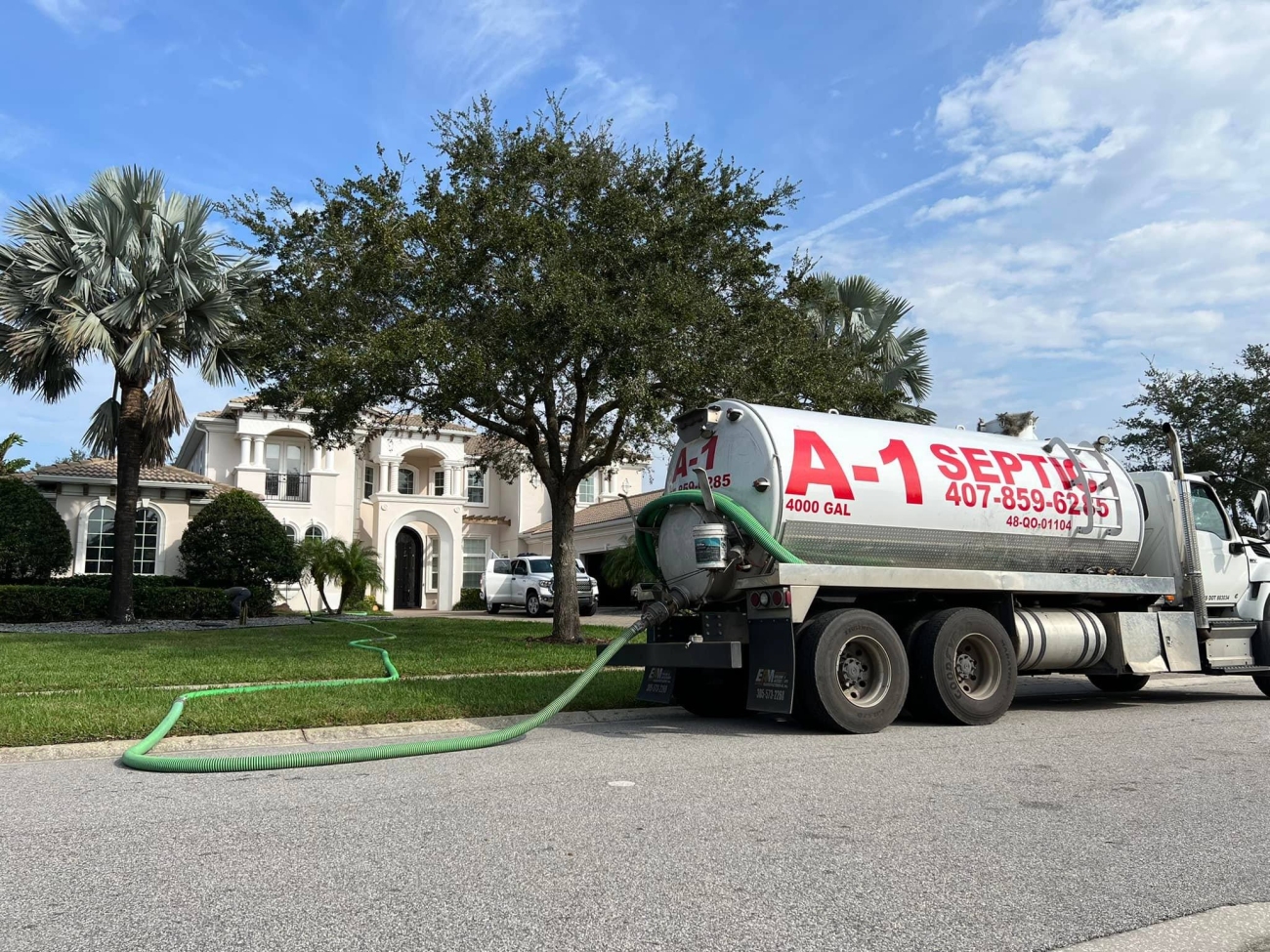
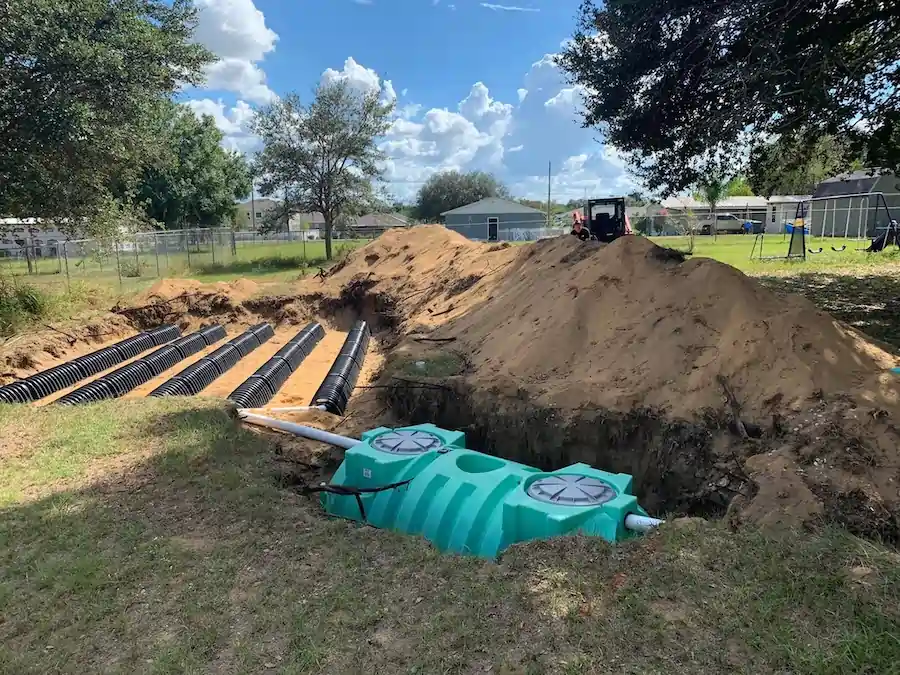
The drain field is a vital part of a septic system and needs to be properly cared for to keep it in peak condition. Drain field failure is one of the last things you want to deal with. Sewage backups can cause unsanitary conditions in your home, while foul odors around the area can make your home uninhabitable.

Knowing what causes drain field damage, the signs to watch out for, and how to prevent drain field problems helps you keep your septic system in top shape. At A1 Septic, we are a trusted septic company that you can count on when you need drain field restoration.
A healthy drain field relies on loose, well-aerated soil to absorb wastewater and allow the oxygen needed by treatment microbes. Soil compaction ruins this process, causing water to pool in the absorption area and the system to fail. Avoid driving vehicles, parking cars, or building structures over the drain field area.
Trees growing near your drain field can break into the perforated pipes as they search for moisture and nutrients. Apart from causing blockages, tree roots infiltrating into drain field pipes can collapse the pipes entirely. If you already have mature trees near your drain field, you may have to remove them or install root barriers if possible. Have a top-rated septic company inspect your drain field every 1 to 3 years.
The drain field soil has a limited capacity to absorb water. If too much water enters the drain field, you’ll end up with hydraulic overload. Some of the consequences that come with excess water use include waterlogged ground, sewage backups, and slow-draining fixtures. It’s advisable to space out water use, fix running toilets, and upgrade to high-efficiency fixtures that save water.
Flushing non-biodegradable items or pouring fats, oils, and grease (FOG) down the kitchen sink can clog the drain field and disrupt the natural waste decomposition process. Items that do not belong in your septic tank not only cause the tank to fill up faster, but they can also flow into the drain field and result in clogging. Your septic system is only designed to handle human waste and toilet paper, nothing else.
Sometimes drain field failure comes as a result of poor maintenance. Many of us rarely think about our septic systems until there’s a problem. Failing to pump your septic tank as needed allows solid waste to overflow into the drain field, thereby clogging the soil pores. It’s advisable to schedule septic pumping regularly to remove solid sludge and floating solids before the flow into the drain field. Call a reputable septic company to help you pump out your septic tank as needed.
One of the first indicators is slow-draining sinks, tubs, showers, and toilets throughout the home. When wastewater cannot move efficiently through the system, drainage problems often develop. Do not hesitate to contact a top-rated septic company once you notice multiple slow-draining fixtures.
Foul odors around the drain field or near drains inside the home may signal that wastewater is not being properly filtered. Homeowners may also notice wet or soggy areas in the yard above the drain field, even during dry weather. In some cases, unusually lush or green grass growth may appear over the drain field due to excess nutrients and moisture reaching the surface.
Sewage backups are among the most serious warning signs. If wastewater begins backing up into drains, toilets, or sinks, immediate professional attention by a local septic service provider is necessary. Standing water near the drain field is another indication that the system may be failing.
Contact A1 Septic today for professional septic service you can rely on. Whether you need a drain field inspection or septic cleaning, our pros are here to help. Contact us now and let us handle the rest.
At A1 Septic, we offer a full range of services to keep your system operating at its best. From septic tank pumping and inspections to repairs and new installations, our experienced team ensures every job is handled with care and precision.
Most people ignore their septic system until something smells off or the yard gets wet in places that should stay dry.…
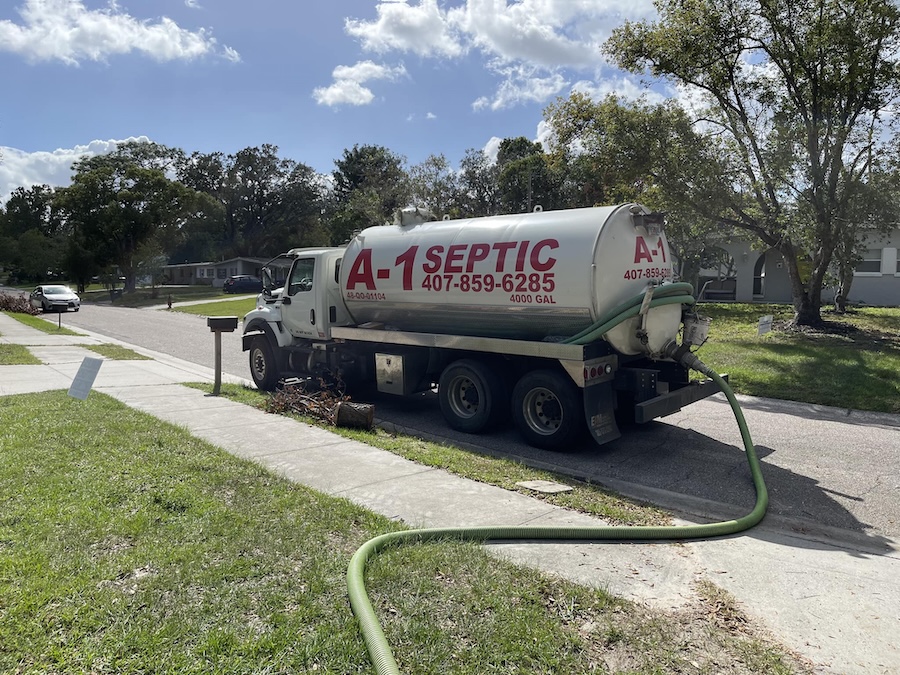
Every restaurant, café, and commercial kitchen relies on its grease trap to keep wastewater systems clear and local codes satisfied. When…
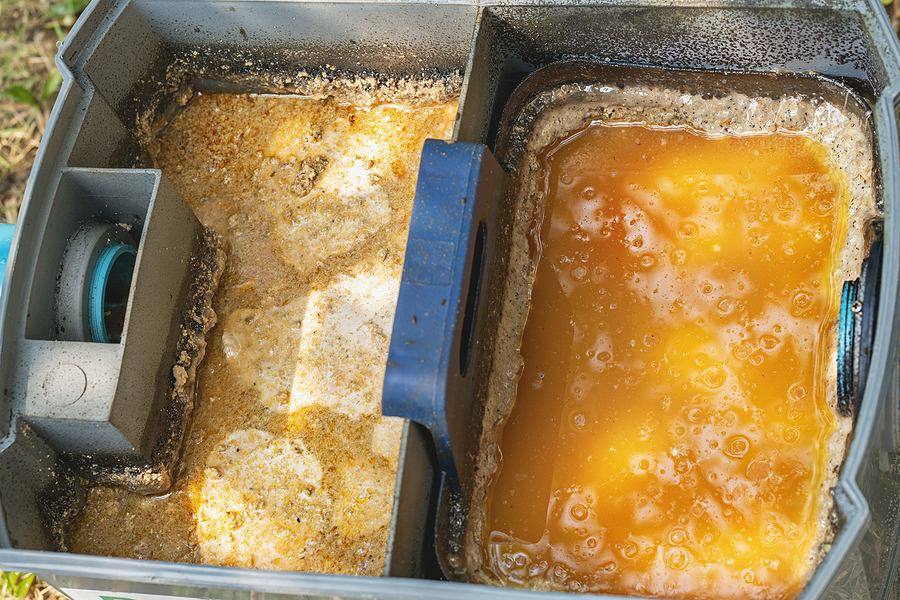
When people talk about septic systems, they usually think about the tank. But what happens after wastewater leaves that tank matters…
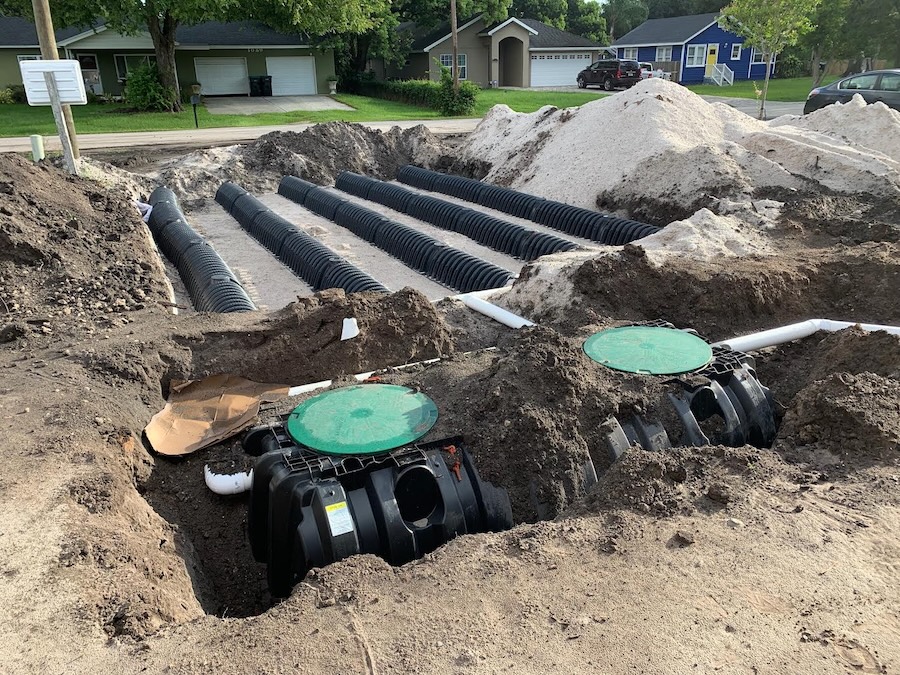
If your property has poor soil drainage or sits on a high water table, a traditional septic system won’t work. In…
 Oct 09, 2026
When the septic installation site is below the level of a property’s septic tank or main sewer line connection, wastewater cannot…
Read More Oct 03, 2026
A septic inspection is more than checking whether wastewater currently disappears when you flush a toilet. The system beneath your…
Read More Sep 26, 2026
Septic systems have one of the most important jobs in properties without a public sewer system: treating and dispersing household wastewater.…
Read More Sep 19, 2026
If you are a first-time landlord or just the average homeowner, then you probably don’t know much about on-site wastewater treatment…
Read More Sep 12, 2026
When your septic system is running smoothly, you probably don’t take a moment to think about it. But when you start…
Read More