10% Off Septic Tank Repair
10% Off Septic Tank Repair
Clean Solutions, Dirty Jobs – Done Right. Reliable. Responsive. Remarkable.
10% Off Septic Tank Repair
10% Off Septic Tank Repair
Clean Solutions, Dirty Jobs – Done Right. Reliable. Responsive. Remarkable.
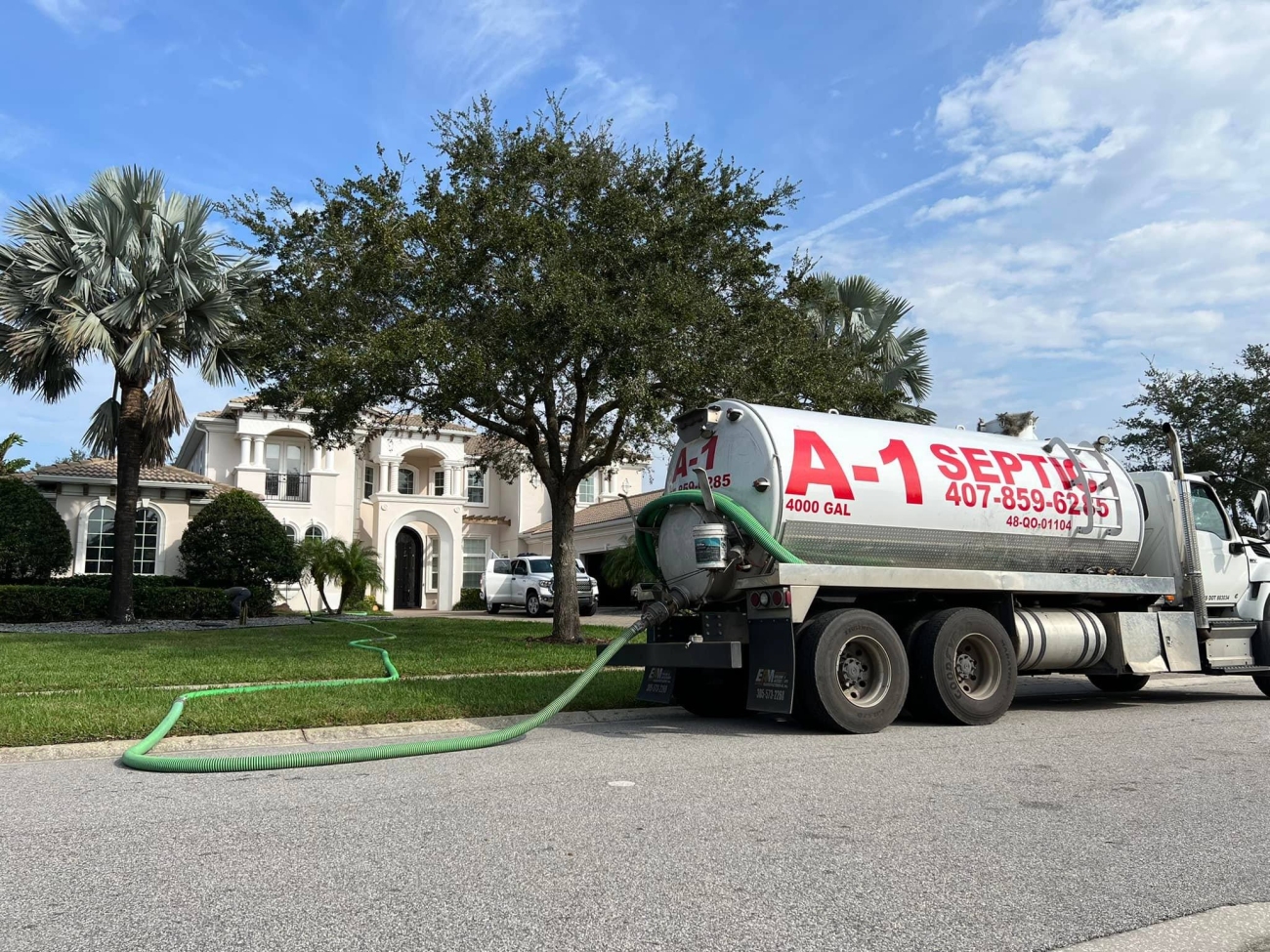
A septic inspection is more than checking whether wastewater currently disappears when you flush a toilet. The system beneath your property has multiple components that must work together to collect, treat, and disperse wastewater. During an inspection, a septic company looks for signs of damage, poor performance, inadequate maintenance, and conditions that could lead to expensive problems later.

Whether you're buying a home, preparing to sell, or simply concerned about an aging septic system, understanding what an inspector examines can help you know what the inspection results actually mean. Today, the experts at A1 Septic look into what septic inspectors look for and why it matters.
The septic tank is one of the first areas an inspector will evaluate. Depending on the inspection, this can include locating the tank, accessing it, checking its structural condition, and examining the levels of solids and liquid inside.
The inspector may look for cracks, leaks, damaged covers, unusual liquid levels, or evidence that the tank is not functioning as expected. Excessive sludge or scum can indicate that septic pumping or maintenance is needed. A tank that has structural damage may require more attention than one that simply needs routine pumping. An expert is able to establish the true condition of your septic installation and provide recommendations.
The drainfield is responsible for receiving wastewater from the septic tank and allowing it to disperse into the surrounding soil. Its condition is therefore an important part of the inspection.
Inspectors may look for unusually wet areas, standing water, sewage odors, unusually lush vegetation, or other signs that wastewater is not dispersing properly. They may also consider the soil, drainage, and general condition of the area surrounding the system. Problems in the drainfield can be more complicated than a simple tank issue, which makes early detection particularly valuable.
The pipes connecting the home to the septic tank and the tank to the drainfield also matter. An inspector may look for signs of leaks, blockages, damaged connections, or other conditions that could interfere with wastewater movement.
Problems may not always be visible from above ground. Depending on the property and the type of inspection being performed, additional testing or diagnostic methods may be recommended when there are concerns about the condition of underground components.
An inspector will also pay attention to how the septic system appears to be performing. Slow drains, sewage odors, unusually wet ground, plumbing backups, or wastewater surfacing near the septic system can indicate that something is not functioning properly.
These symptoms do not automatically identify the exact cause. A backup could involve the tank, piping, drainfield, or another part of the system. The purpose of the inspection is to identify warning signs and determine whether septic cleaning in Maitland is necessary.
A septic inspection can uncover problems that may not be obvious during everyday use. A septic installation can appear to work normally while developing conditions that eventually lead to backups, drainfield problems, or costly repairs.
For homeowners, an inspection can provide information for planning septic maintenance and addressing developing concerns. For buyers and sellers, it can provide a clearer picture of the property's wastewater system before a transaction moves forward. Rather than assuming a septic system is fine because the toilets flush, a professional inspection looks at the components that keep the entire system working together.
A septic inspection must be performed by a licensed and experienced septic company. They have the training and state-of-the-art tools to identify issues that may not be visible to the untrained eye and provide expert recommendations for maintenance and repairs. If you’re looking for a trusted septic technician to inspect your septic tank or clean the tank, get in touch with A1 Septic. With decades of hands-on experience and a team of professionals, you can expect us to deliver top-quality services. Contact us now to schedule septic service!
At A1 Septic, we offer a full range of services to keep your system operating at its best. From septic tank pumping and inspections to repairs and new installations, our experienced team ensures every job is handled with care and precision.
Most people ignore their septic system until something smells off or the yard gets wet in places that should stay dry.…
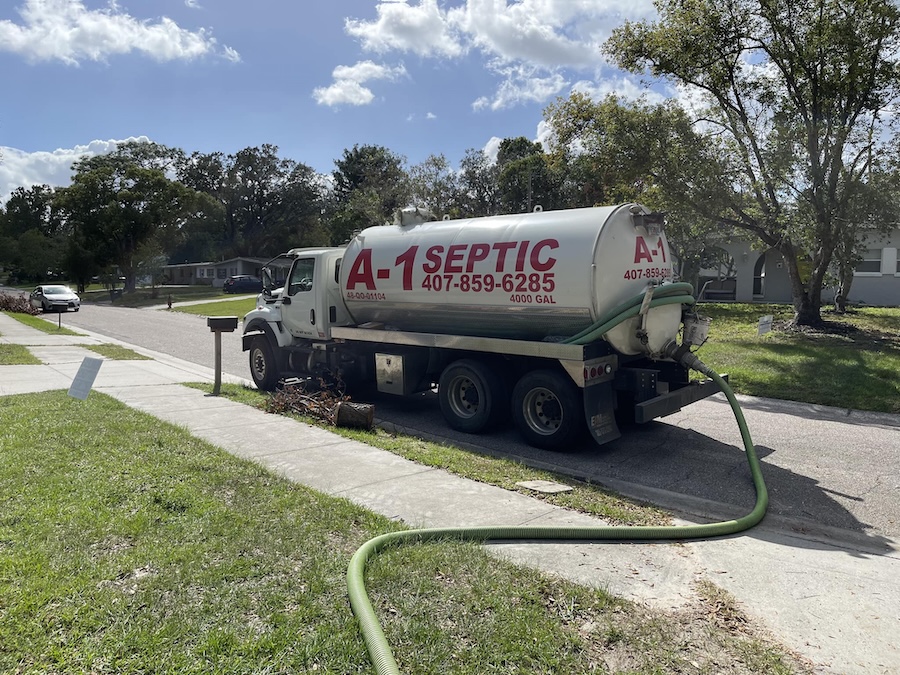
Every restaurant, café, and commercial kitchen relies on its grease trap to keep wastewater systems clear and local codes satisfied. When…
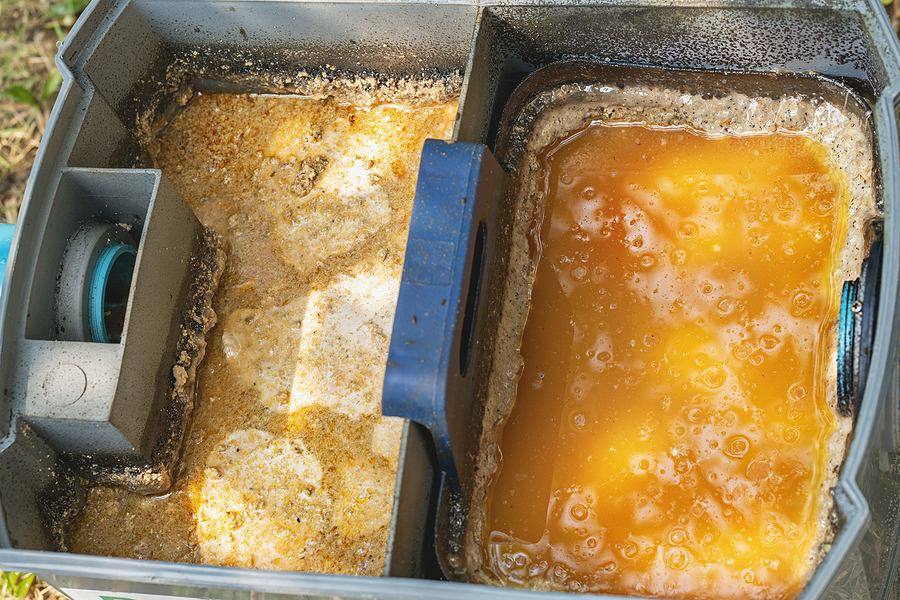
When people talk about septic systems, they usually think about the tank. But what happens after wastewater leaves that tank matters…
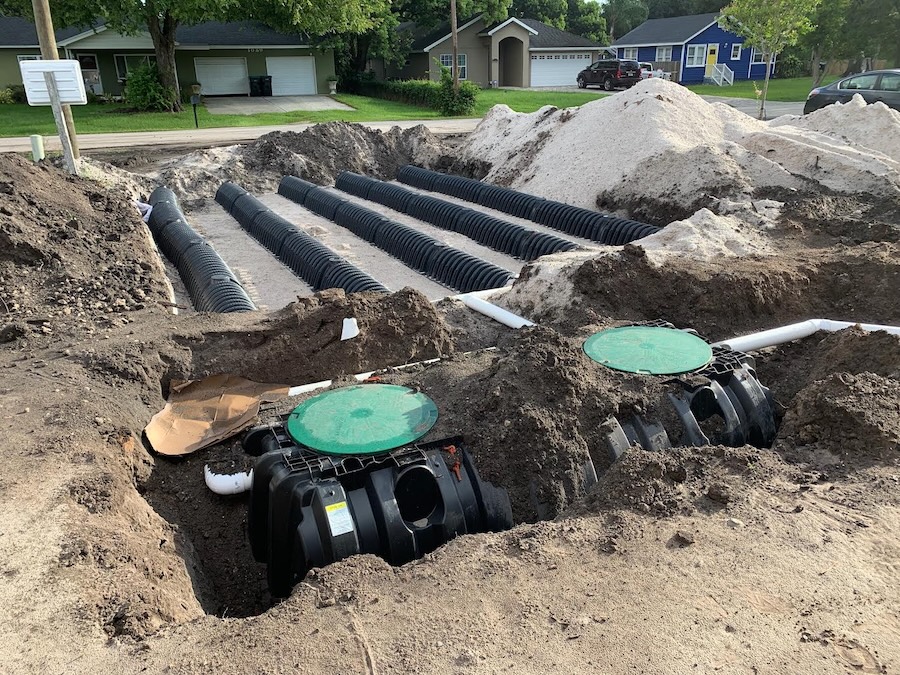
If your property has poor soil drainage or sits on a high water table, a traditional septic system won’t work. In…
 Oct 09, 2026
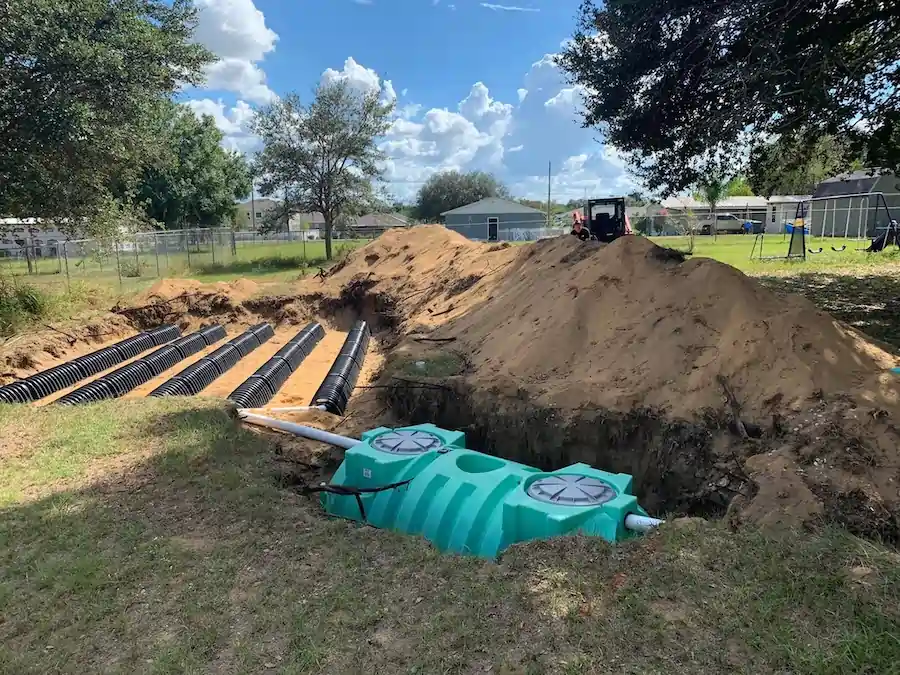
When the septic installation site is below the level of a property’s septic tank or main sewer line connection, wastewater cannot…
Read More Oct 03, 2026
A septic inspection is more than checking whether wastewater currently disappears when you flush a toilet. The system beneath your…
Read More Sep 26, 2026
Septic systems have one of the most important jobs in properties without a public sewer system: treating and dispersing household wastewater.…
Read More Sep 19, 2026
If you are a first-time landlord or just the average homeowner, then you probably don’t know much about on-site wastewater treatment…
Read More Sep 12, 2026
When your septic system is running smoothly, you probably don’t take a moment to think about it. But when you start…
Read More