What Soil Compaction Does to Drain Field Lines
Compacted soil around the drain field lines blocks oxygen from reaching the biomat layer that naturally forms on pipe surfaces. Without oxygen, anaerobic bacteria take over. These bacteria create a thick, slimy barrier that clogs perforations and prevents effluent from dispersing into the soil. The liquid has nowhere to go, so it pools in the trench and eventually surfaces in your yard or backs up into the house.
Vehicles, livestock, and even heavy foot traffic compress soil particles. Once compacted, the spaces between particles shrink. Water can't move through dense soil the way it does through loose, aerated ground. This creates hydraulic pressure that forces effluent to find the path of least resistance, which is usually back toward your foundation or up through weak spots in the yard. You'll see soggy patches, dead grass, or standing water where the system is failing.
Compaction also shifts the soil's load-bearing capacity. Drain field lines sit in gravel beds that distribute weight and maintain structure. When the soil above compacts, it presses down on the gravel and flattens the voids that allow effluent to spread horizontally. The gravel bed loses its function, and the pipes take on extra stress. PVC can bow or crack under prolonged pressure.
Recognizing When Lines Have Reached the End of Service
Slow drains throughout the house signal that effluent isn't moving through the system. If every sink, toilet, and shower backs up simultaneously, the problem isn't in your household plumbing. It's in the drain field. The lines can't accept more liquid because they're already saturated or blocked.
Sewage odors in the yard point directly to the field line failure. When effluent surfaces before it's fully treated, you'll smell it. The odor comes from raw waste that hasn't had time to break down in the soil. This isn't just unpleasant. It's a health hazard that exposes your family and neighbors to pathogens.
Lush, dark green grass over the drain field might look healthy, but it indicates oversaturation. The extra nitrogen from untreated effluent feeds the grass, but it also means your system isn't processing waste correctly. You might also notice algae growth or standing water that doesn't drain for even days after rain. These are visual confirmations that drain field repair in Forest City can't wait much longer.
Replacing Drain Field Lines Without a Full System Installation
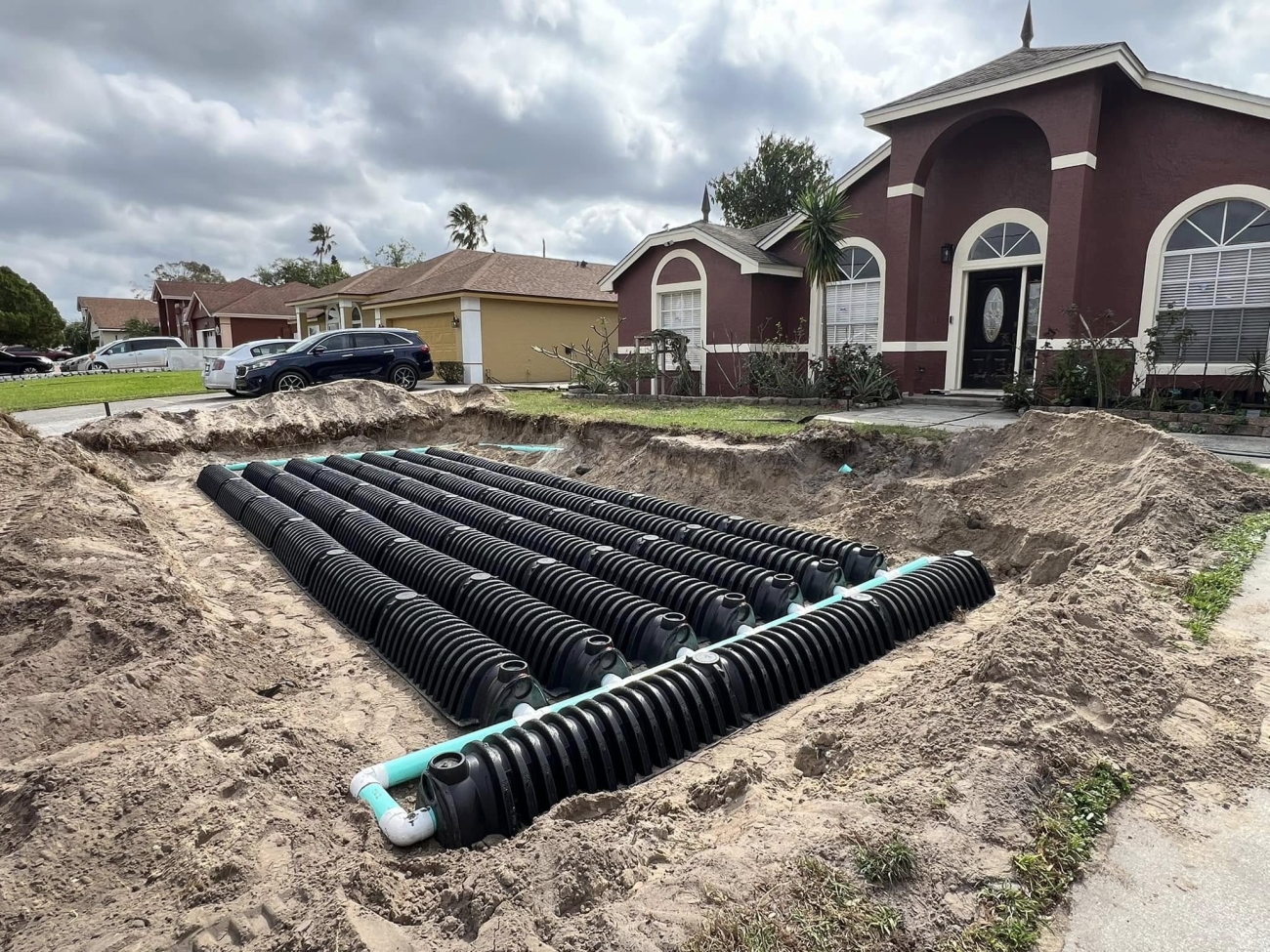
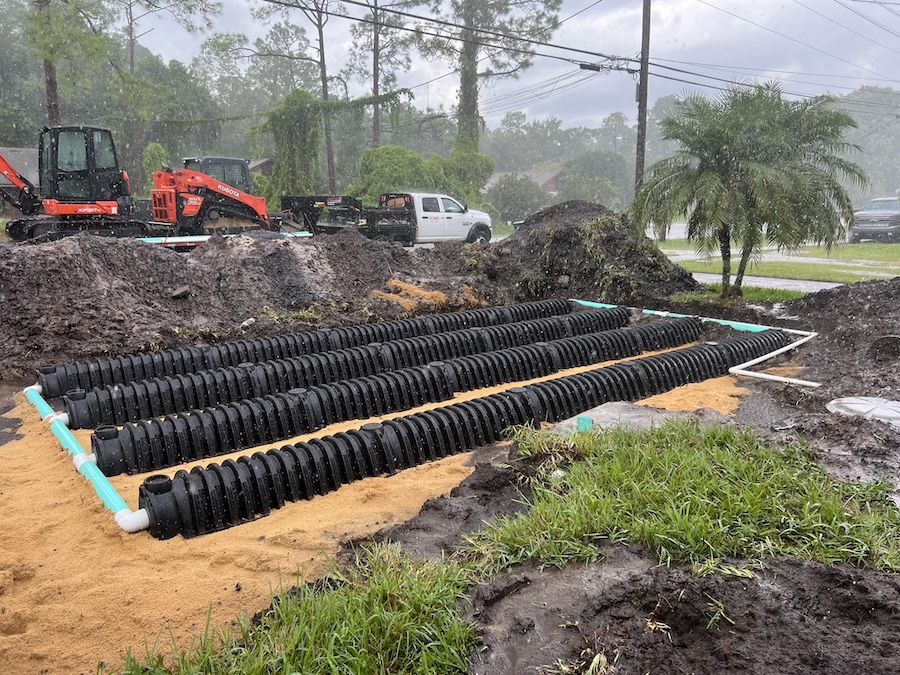
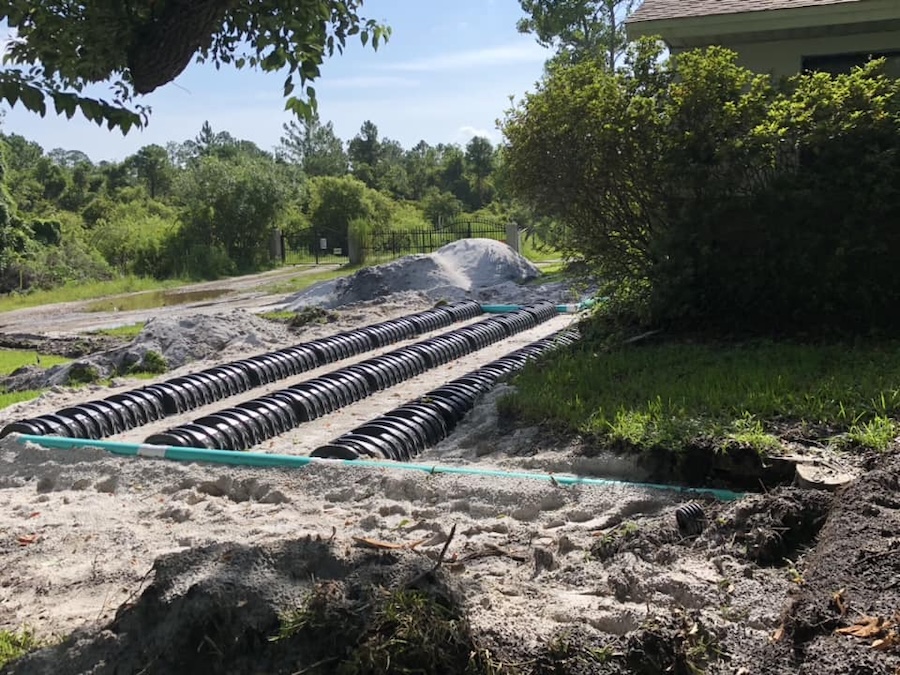
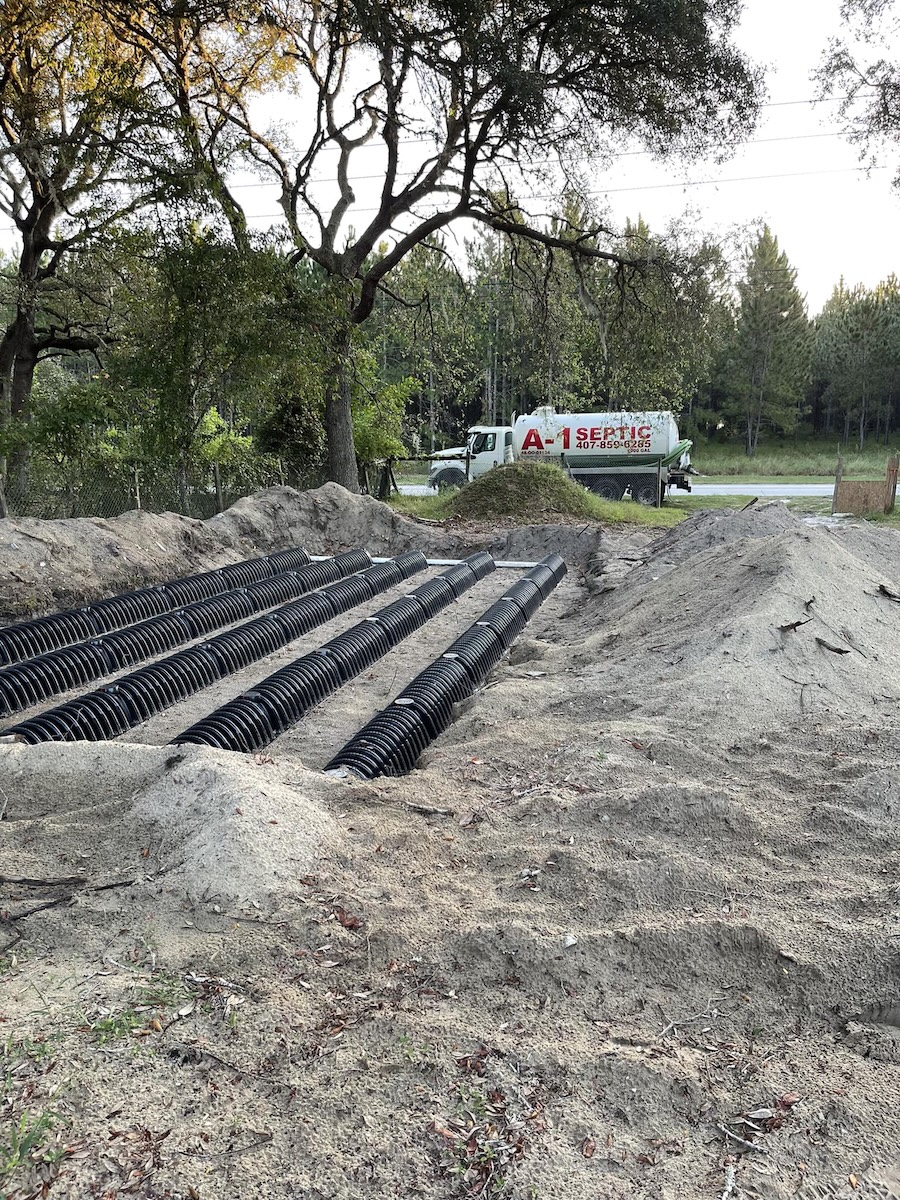
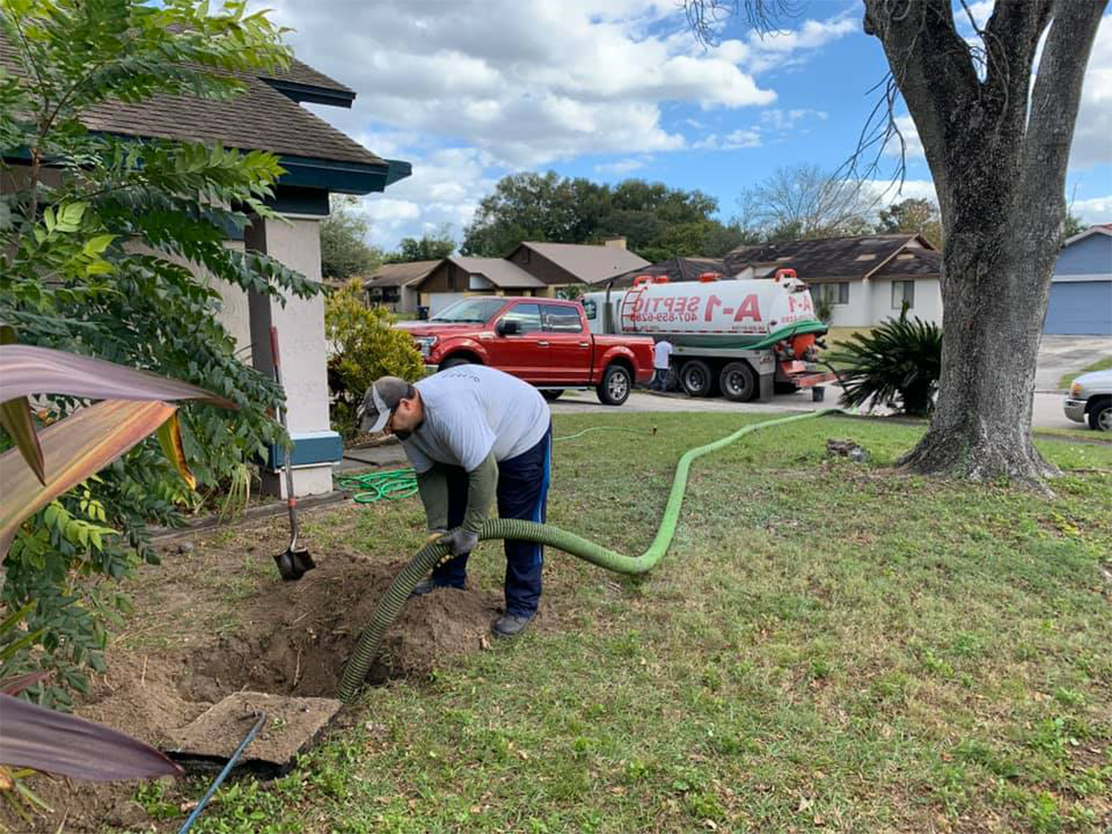
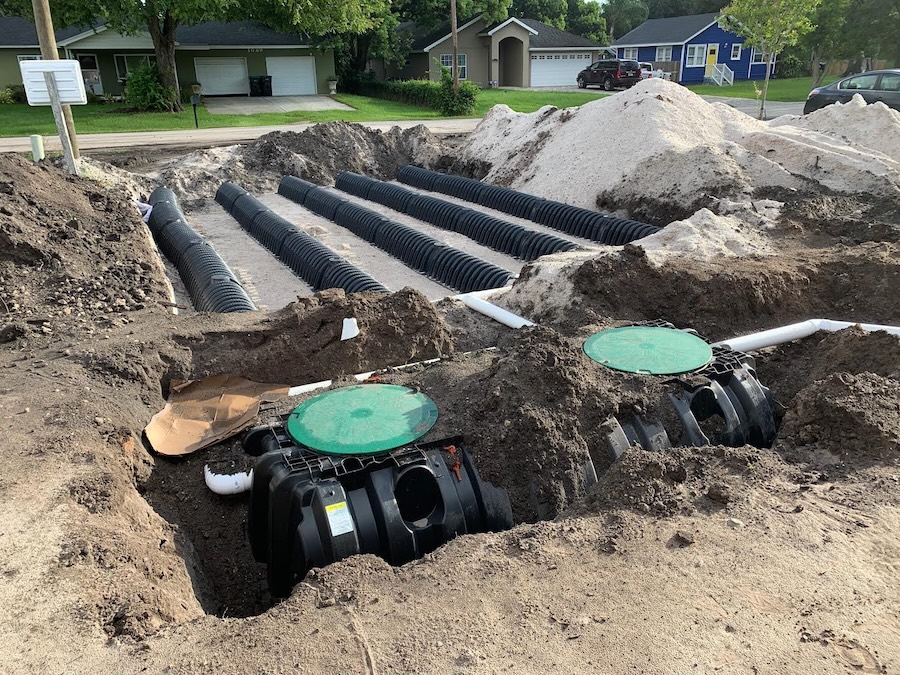
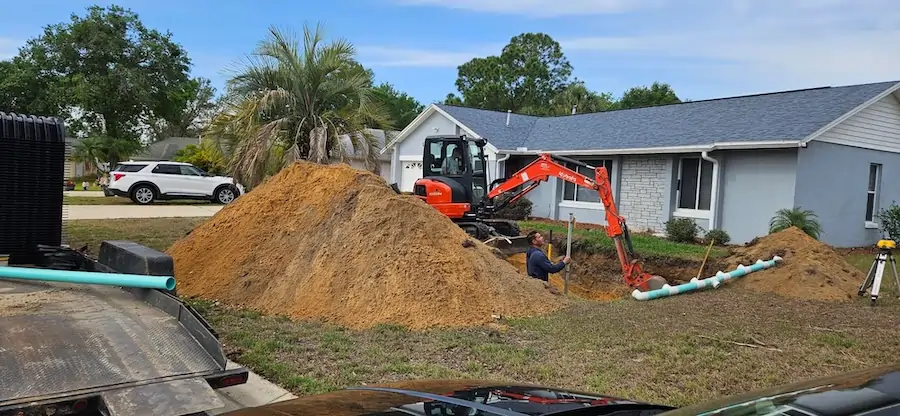
Replacing the lines doesn't always require a complete system teardown. If your septic tank and distribution box still function properly, the work focuses on the drain field itself. A contractor will excavate the failed trenches, remove old pipe and gravel, and install new laterals with fresh aggregate and filter fabric. The tank stays in place, and connections get updated to meet current code.
New lines use Schedule 40 PVC with precise perforation patterns that distribute effluent evenly. The spacing between holes and the diameter of each opening are engineered to prevent clogging and maintain hydraulic balance. Filter fabric wraps the pipe to keep soil particles out while allowing liquid to pass through. This setup extends the functional life of the drain field by decades.
In some cases, the replacement involves relocating the drain field to a different area of the property. If the original site has compacted soil or poor drainage characteristics, moving the system to better ground solves the problem permanently. This approach requires more excavation and permits, but it addresses the root cause instead of just replacing failed components in the same compromised location. Drain field line installation in Forest City depends on site conditions, and a proper assessment determines whether relocation makes sense.
What Permits and Inspections Involve
Local health departments regulate septic work because failing systems contaminate groundwater. Before any excavation begins, you'll need a permit that confirms the replacement plan meets county standards. The application requires a site plan showing the drain field location, soil test results, and engineering specifications for the new lines. Processing takes anywhere from two to six weeks, depending on the department's workload.
Inspections happen at multiple stages. An inspector visits after excavation to verify trench depth, soil conditions, and proper setbacks from wells, property lines, and surface water. Another inspection occurs once the new pipes and gravel are in place but before backfilling.
Skipping permits creates liability problems. If an unpermitted system fails or contaminates a neighbor's well, you're responsible for cleanup costs and potential fines. Insurance won't cover damage from unpermitted work. When you sell the property, the lack of permits can kill the deal or force you to replace the entire system at your expense before closing. Drain field line installation in Forest City requires documentation that protects your investment and keeps you compliant with local regulations.
How New Lines Restore Drainage and Flow
Fresh drain field lines re-establish the hydraulic balance your system needs to function. Effluent flows from the tank into the distribution box, then disperses evenly across all laterals. Each line receives the same volume, so no single trench gets overloaded. The perforations release liquid at a controlled rate that matches the soil's absorption capacity.
Properly graded lines prevent effluent from pooling in low spots. A laser level ensures each pipe slopes at exactly two percent, which is steep enough to move liquid but gentle enough to avoid erosion inside the pipe. This grade keeps solids from settling in the lines and allows the system to drain completely between usage cycles. Complete drainage is what keeps the biomat healthy and prevents anaerobic conditions.
Field line replacement in Forest City restores your property's usability and protects your family's health. You won't see soggy areas in the yard, smell sewage, or worry about backups during heavy use. The system handles your household's wastewater the way it was designed to, and you get another thirty years of reliable service from the investment.
Do You Need a Drain Field Repair in Forest City, FL?
If your drain field shows signs of failure or you're dealing with a system that's decades old, contact A1 Septic for an assessment. Our crew handles excavation, installation, and permitting, so you don't have to manage multiple contractors.