Menu

10% Off Septic Tank Repair

Grease Trap Cleaning

Grease Trap Cleaning

Every restaurant, café, and commercial kitchen relies on its grease trap to keep wastewater systems clear and local codes satisfied. When grease builds up, it doesn’t take long before backups and odors appear. A1 Septic offers reliable grease trap cleaning in Orlando, Florida, to keep your business running. A clogged trap can turn into a headache faster than most people expect. If you manage any type of food service operation, you’ll want to know what’s happening inside that trap, how to maintain it, and what signs mean it’s time to call a professional.

Grease Trap Cleaning

Need grease trap cleaning in Orlando, FL? Our septic company provides professional grease trap repair & maintenance in Orlando, FL. Schedule reliable service today.

How Grease Traps Work and Why They Matter

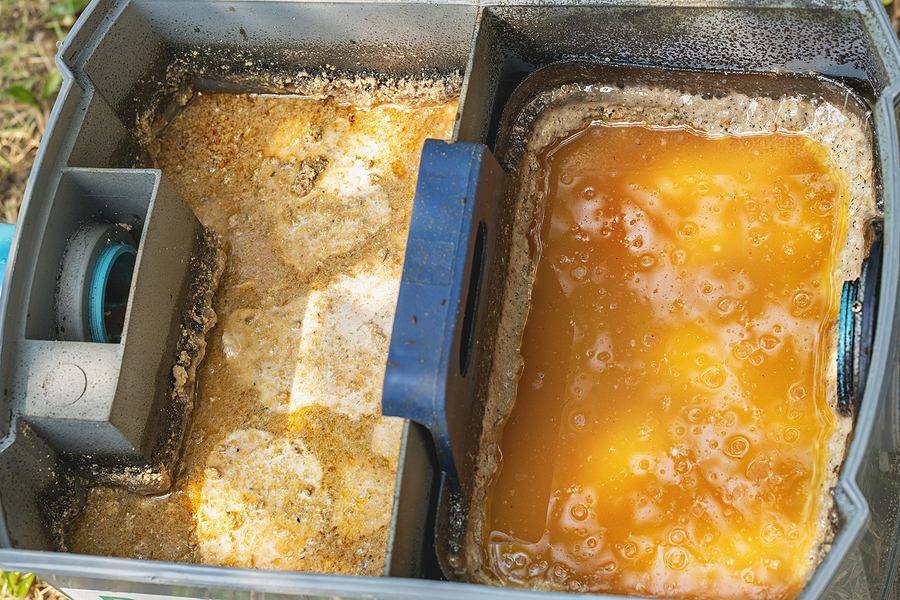
Grease traps separate fats, oils, and grease from wastewater before it reaches the city’s sewer lines. When water leaves your sinks or dishwashers, it carries small bits of food, oil, and residue. The trap slows that water down, allowing heavier solids to settle and lighter grease to float to the top. Only the cleaner water in the middle passes through the outlet pipe. The floating layer of grease thickens as time goes on. Once the trap fills, it loses its ability to separate waste properly. Grease slips down the line, sticks to the walls, and builds up until pipes clog. Buildup can lead to city fines, smells, and safety complaints. Regular cleaning clears the layers before they harden or spill over. It keeps water moving the way it should and helps you meet local rules. A neglected trap might save money for a few weeks, but it always costs more in the long run once repairs and downtime are added in.

Grease Trap Cleaning

Signs Your Trap Needs Professional Service

Every kitchen develops its own schedule for cleaning, depending on how much grease passes through each day. Still, there are a few warning signs that it’s time to call a septic company for a full pump-out and inspection.

  • Lingering Odors: A heavy, sour smell near drains or floor sinks signals that grease has broken through the trap or that solids are decomposing inside it. Once that odor appears, the problem is already developing.
  • Slow Drains or Gurgling Pipes: When water starts draining more slowly than usual, it means the trap is reaching its capacity. Gurgling or bubbling sounds point to pressure building up behind partial blockages.
  • Grease on Water Surfaces: If you see shiny residue or floating grease in sinks, mop stations, or dish pits, that’s another sign the trap isn’t separating material as it should.
  • Overflow or Standing Water Around the Trap: Pooling water or residue near the lid usually means the trap is overflowing or leaking. It’s best to schedule a service immediately and get it checked.

Catching these signs early prevents full shutdowns or major pipe failures. A short call to schedule grease trap cleaning in Orlando can spare you expensive plumbing work and lost business hours.

Our Reviews

What Our Client Says About Us

Alexander came to service my septic by covering my re-scheduled service back to the original date. He was courteous, detailed, professional, and the job was completed promptly. Thank you.

Carmen Cardona

Maitland, FL

I had a bad Drain field, another company told me. So I got a few estimates. A1 septic was about $3,000.00 cheaper than the other 2 companies I went with. Also they were about $75.00 cheaper in Pump Outs too. Everyone at this company was very nice and explained everything. The general Manager is the one I spoke to most of the time, setting up the scheduling and walking me through the next steps. They were very professional. I feel confident that this is my go to septic company for years to come. Thank You A1 Septic.

AGFL

Oakland, FL

Alexander was our service guy. Incredible service and attention to detail. I could not be more pleased with the professionalism, timeliness, and comprehensiveness of the report. Additionally he explained everything in detail so we understand the process. Thank you for the piece of mind!!

Heather Ketcham

Gotha, FL
Grease Trap Cleaning

The Cleaning and Inspection Process

During a professional cleaning, a technician removes all waste from the trap, scrubs internal surfaces, and checks for wear or corrosion. The detailed steps make sure every part of the system works correctly once the trap is back online. Here’s what a standard visit looks like:

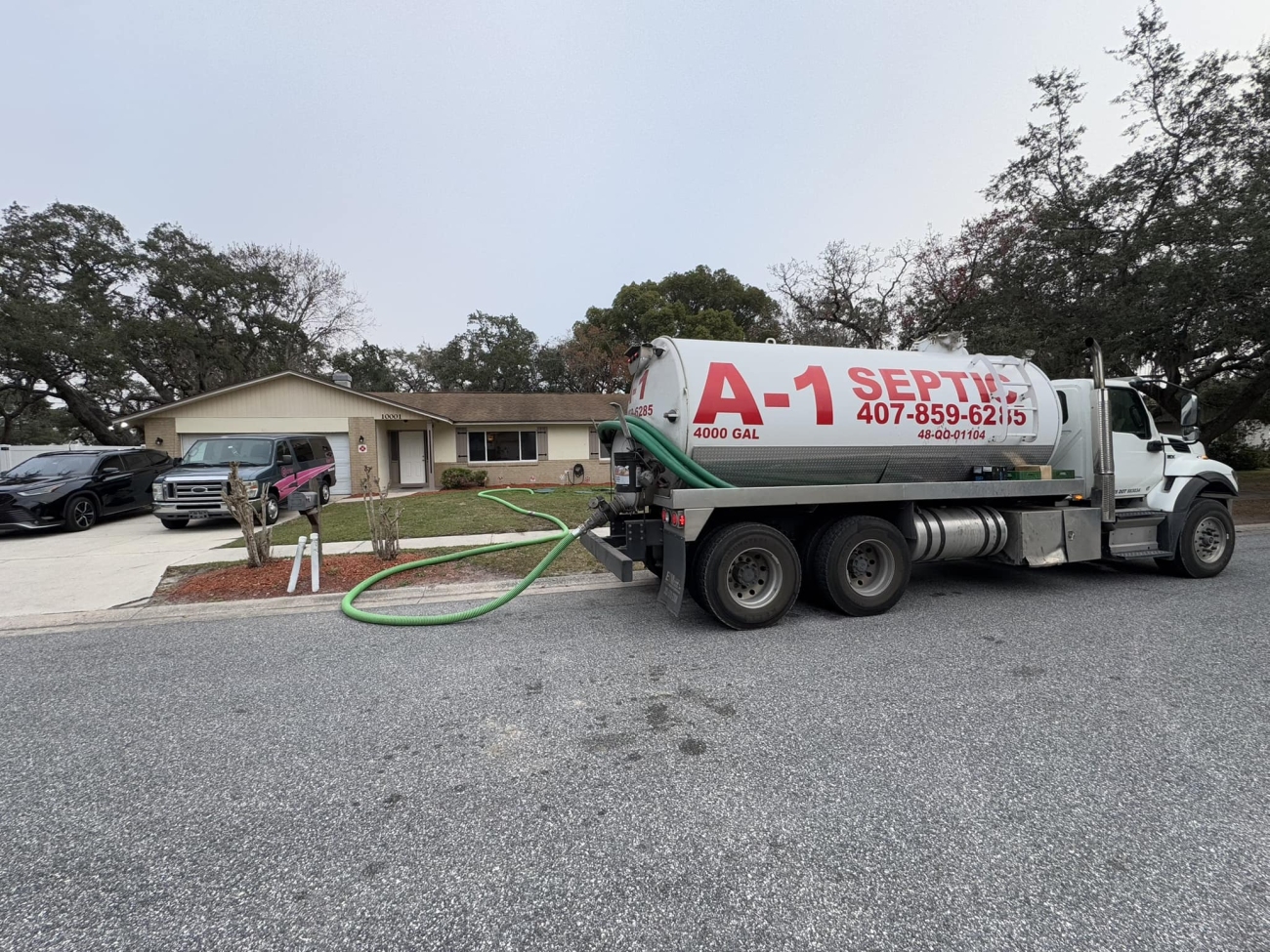
  • Pump-Out: The technician removes the entire contents, including liquids, solids, and grease, using a vacuum truck. Nothing should remain inside once the job is complete.
  • Manual Scrape and Wash: Any hardened residue along the walls or baffles is scrubbed and rinsed away. Built-up grease can cling to metal surfaces and slowly reduce capacity, so this step is essential.
  • Inspection: After cleaning, the technician examines seals, gaskets, and the baffle system. Cracks, rust, or leaks will be noted for repair.
  • Disposal: All waste collected from the trap is properly transported and disposed of according to environmental standards.

Scheduling this work with a qualified septic company makes sure the waste is handled legally and responsibly. The best technicians will also document the visit and give you proof of compliance for local health departments and city inspectors.

When Cleaning Isn’t Enough

Temperature changes, chemical exposure, and heavy use all shorten the lifespan of components. When that happens, grease trap repair becomes necessary to avoid bigger plumbing problems. Cracks or corrosion in the trap’s walls allow grease to leak into the ground or back into the flow of wastewater. When baffles break, they can’t separate waste the right way, and worn gaskets lead to leaks and bad smells. If drainage problems keep coming back after cleaning, the trap’s internal parts may be damaged. Professional grease trap repair in Orlando focuses on restoring the system so you don’t need a full replacement. That may include sealing cracks, replacing baffles, or updating old parts to match current codes. Handling repairs right away stops contamination and shields your business from fines. Regular checkups during cleanings help you find these problems early, before they grow.

Setting Up a Maintenance Schedule That Works

The best way to avoid emergencies is to stay ahead of them. Every commercial kitchen should have a routine schedule for service based on its volume and menu type. High-fat cooking, like frying or grilling, fills traps faster than prep or bakery work. Many local regulations use the “25 percent rule.” Once the trap is one-quarter full of grease and solids, it must be cleaned. For busy restaurants, that might mean every one to three months. Missing just one appointment can erase months of maintenance. A septic company in Orlando, FL can set reminders and keep detailed records to help you stay compliant. A few good habits will support your efforts. Scrape plates and pans before washing. Dispose of cooking oil through a recycling program. Train staff to recognize the early warning signs of grease buildup. These steps extend the life of your trap and keep your drains clear between services.

Why Professional Service Beats DIY Methods

Some kitchen managers try to clean traps on their own to save money. The problem is that partial cleaning rarely solves the issue. Most commercial traps hold dozens of gallons of waste, and removing it completely requires professional equipment. Even if you remove surface grease, solids remain at the bottom that slowly harden until they block flow. Professional crews use vacuum systems that reach every corner of the trap. They also understand local disposal laws, so you avoid fines for improper dumping. Attempting to handle grease disposal without proper permits can lead to penalties and environmental hazards. Partnering with an experienced team gives you reliable results, protects your plumbing, and keeps your business in line with environmental rules. It’s an investment that pays off in saved time, lower costs, and less stress all year long.

Keep Your Business Flowing With Professional Care

Grease traps protect your plumbing, your business reputation, and the environment. Neglecting them leads to clogs, shutdowns, and expensive cleanups. Whether you need a cleaning or dependable grease trap repair in Orlando, having the right professionals on your side is important. At A1 Septic, our technicians handle the full process. We provide complete cleaning, inspection, and repair services to keep your kitchen compliant and fully operational. If you’ve noticed bad smells, slow drains, or signs of grease buildup, it’s best not to wait for a clog. Call today to book your service with a trusted septic company.
Grease Trap Cleaning

Frequently Asked Questions

How can I make my system last as long as possible?

Keep up with pumping, inspections, and mindful water use. A well-cared-for system can serve your home for decades without major issues.

What should I do if my septic alarm goes off?
Can I use rainwater collection with a septic system?
What happens during septic pumping?
Are septic tanks made of concrete or plastic better?
How do I winterize an unused cabin or seasonal home with a septic system?
Is colored or gray water from sinks treated differently?
How can I protect my septic system from damage during construction?
Our Services

Professional Septic Services for Every Need

At A1 Septic, we offer a full range of services to keep your system operating at its best. From septic tank pumping and inspections to repairs and new installations, our experienced team ensures every job is handled with care and precision.

Septic Tank Installation

A new septic system isn’t something to take lightly. It affects how your…

Septic Lift Stations

If you’ve ever wondered how wastewater moves uphill, the answer is lift stations.…

Septic Tank Repair

Most homeowners don’t think about their septic system until something smells off or…

ATU / Nitrogen-Reducing Septic Systems

If you live in a place where clean groundwater matters, knowing how advanced…

Septic Tank Removal

Replacing a septic system isn’t a simple DIY task. Whether your property…