Menu

10% Off Septic Tank Repair

Septic Tank Removal
Septic Tank Removal

Dependable Septic Tank Removal

Replacing a septic system isn’t a simple DIY task. Whether your property is upgrading to city sewer or clearing out an old tank, a septic tank removal in Orlando, Florida, needs detailed planning and help from experienced professionals. A1 Septic takes care of the process from inspection to cleanup, and will make sure your property stays safe and meets local standards. If you’re considering septic removal, keep reading to find out what happens before, during, and after the tank comes out.

Septic Tank Removal

Googling septic tank removal in Orlando, FL? Our experienced team handles safe septic removal and disposal in Orlando, FL with efficiency and care. Schedule service today.

Why Septic Tanks Are Removed

Most septic systems last around 25 to 40 years, depending on the tank material, soil quality, and how well the system has been maintained. When a tank starts to fail, you might notice soggy spots near the drain field, slow drains inside the house, or odors around the yard. In some cases, the tank collapses or cracks beyond repair.

Septic Tank Removal

Sometimes homeowners decide on septic tank removal because they’re connecting to the municipal sewer system. Old, unused tanks can become safety hazards. They can cave in under pressure, create sinkholes, or leach waste into the soil. Removing them prevents future problems and keeps the property compliant with building and environmental codes. In other cases, a new homeowner discovers a buried tank during renovation or landscaping. It might be an abandoned steel tank from decades ago, rusted through and filled with debris. Taking care of it early keeps the ground safe for construction, gardening, or new plumbing lines.

What Happens Before the Removal Starts

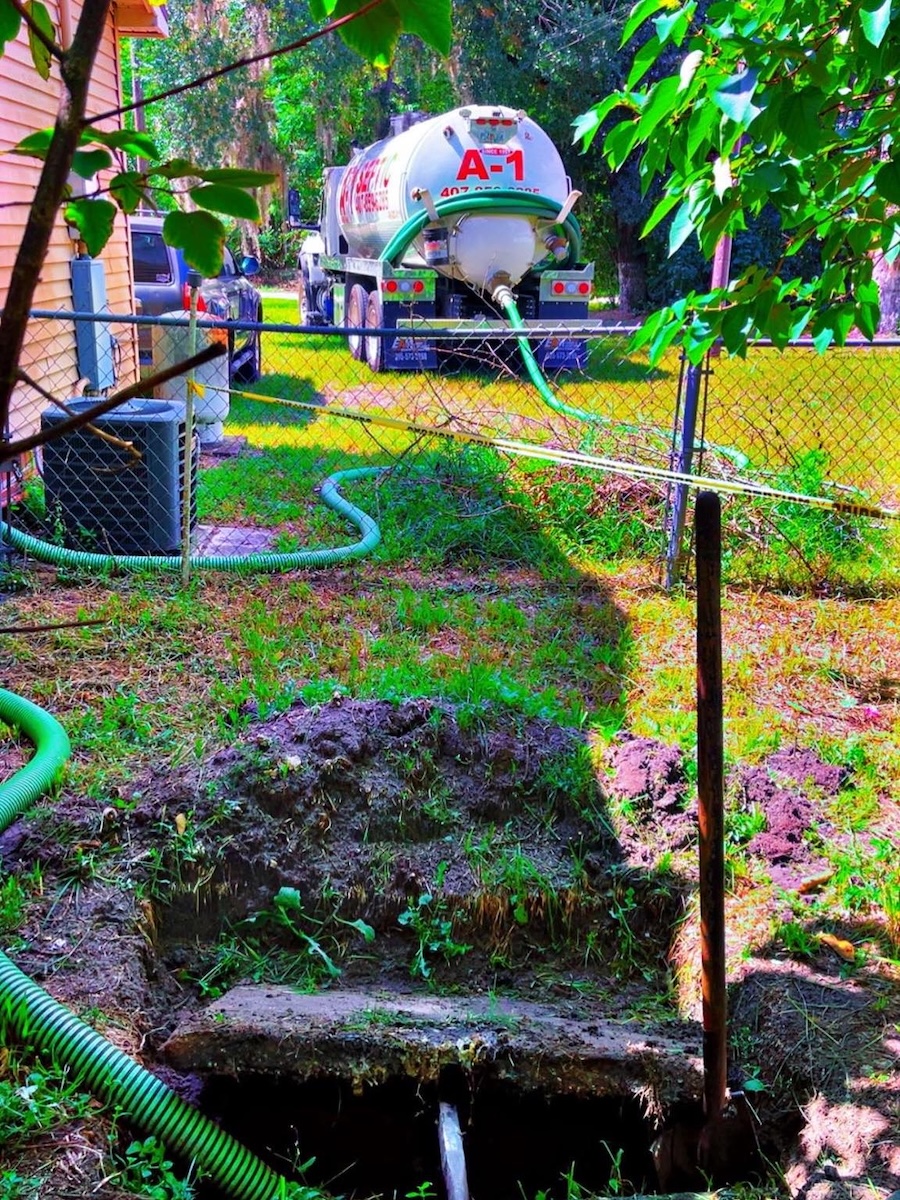
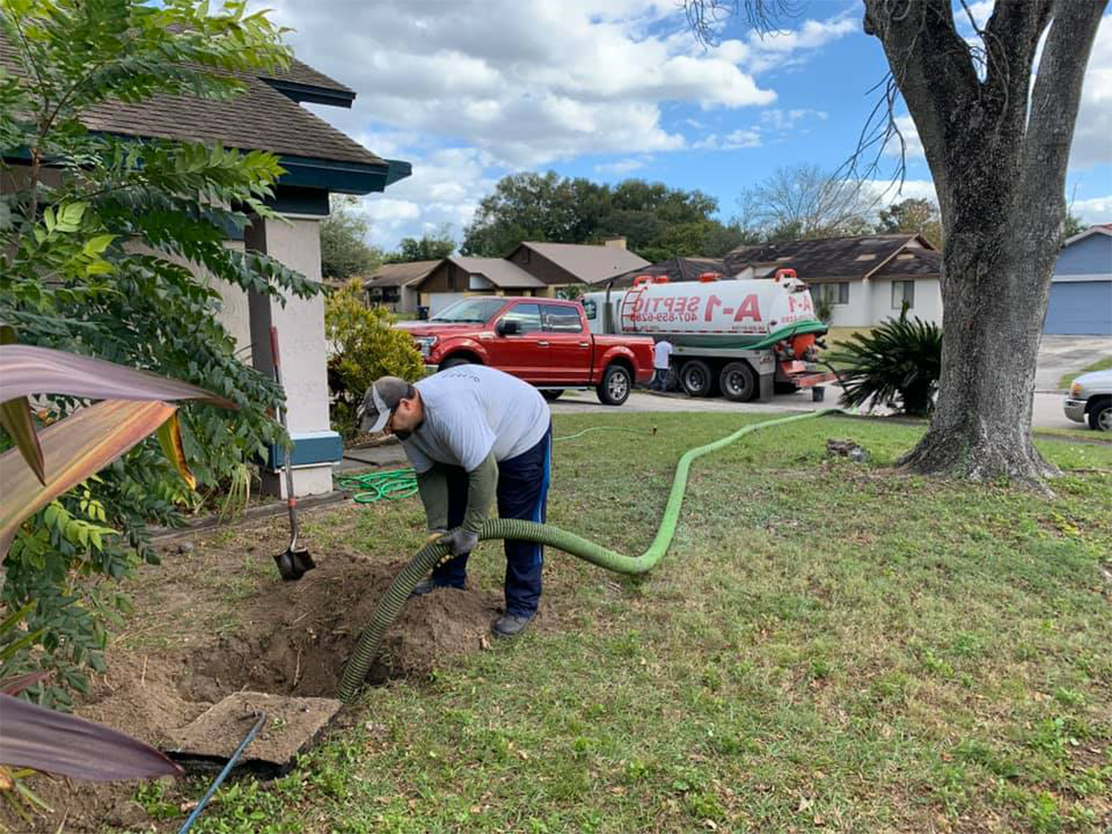
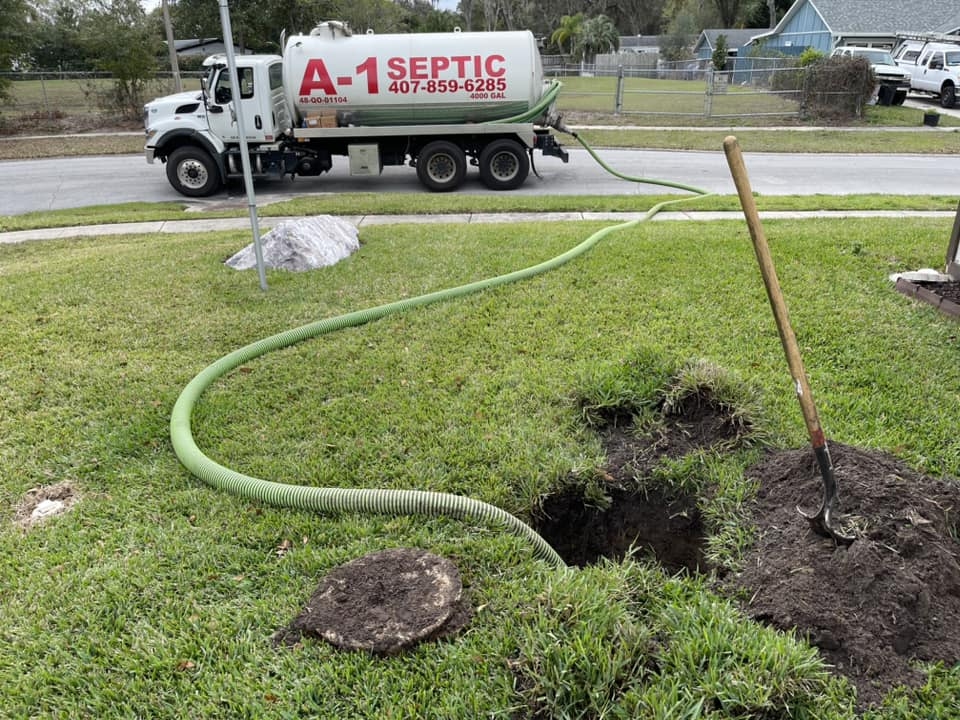
Before any digging begins, the first step is locating the tank. Professionals use maps, probes, or ground-scanning tools to find its exact position and size. Once identified, the tank needs to be inspected to determine its condition and what’s inside. This matters because some older tanks still hold liquid waste or gases that must be safely pumped out before removal. Septic removal in Orlando follows local and state environmental guidelines. Handling this through a professional saves you time and prevents code violations. After permits are secured, the crew will pump out any remaining waste and clean the inside of the tank. Excavation doesn’t start until every safety step is checked off. The crew’s job is to get the tank out without disturbing nearby buildings, buried lines, or the landscaping you want to keep. It takes careful work and a steady hand, especially when space is tight.

Our Reviews

What Our Client Says About Us

Alexander came to service my septic by covering my re-scheduled service back to the original date. He was courteous, detailed, professional, and the job was completed promptly. Thank you.

Carmen Cardona

Maitland, FL

I had a bad Drain field, another company told me. So I got a few estimates. A1 septic was about $3,000.00 cheaper than the other 2 companies I went with. Also they were about $75.00 cheaper in Pump Outs too. Everyone at this company was very nice and explained everything. The general Manager is the one I spoke to most of the time, setting up the scheduling and walking me through the next steps. They were very professional. I feel confident that this is my go to septic company for years to come. Thank You A1 Septic.

AGFL

Oakland, FL

Alexander was our service guy. Incredible service and attention to detail. I could not be more pleased with the professionalism, timeliness, and comprehensiveness of the report. Additionally he explained everything in detail so we understand the process. Thank you for the piece of mind!!

Heather Ketcham

Gotha, FL
Septic Tank Removal

The Tank Removal Process

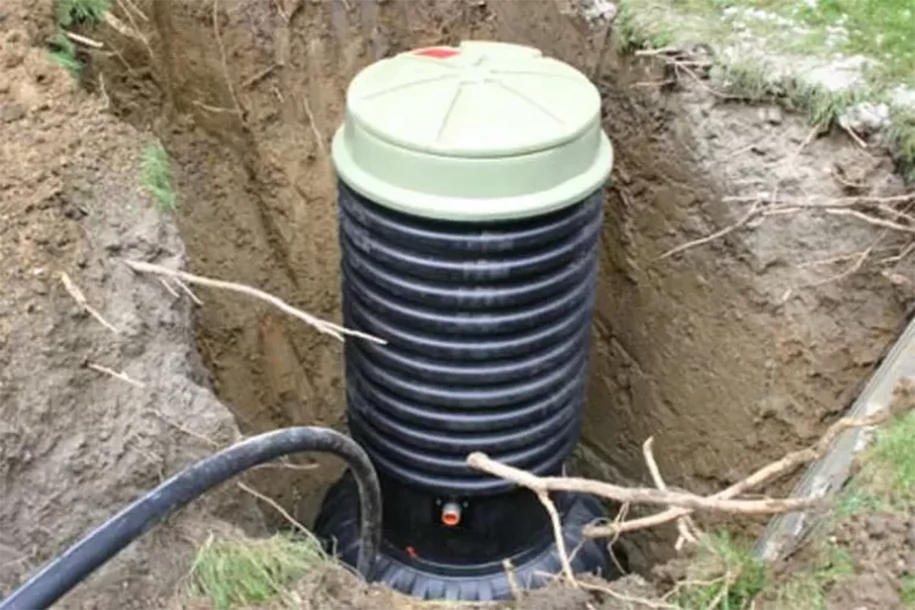
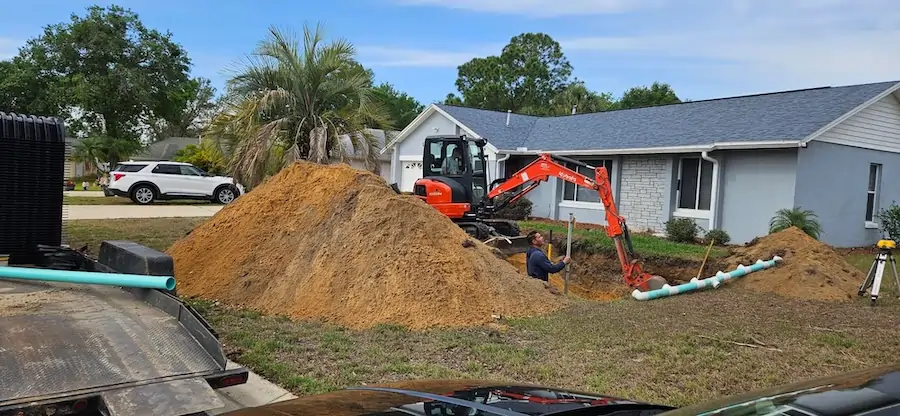
Once the site is prepared, heavy machinery is used to carefully unearth the tank. Depending on its material, the removal approach varies. Concrete tanks might be broken into smaller sections for safe lifting, while fiberglass or plastic tanks can often be removed in one piece.

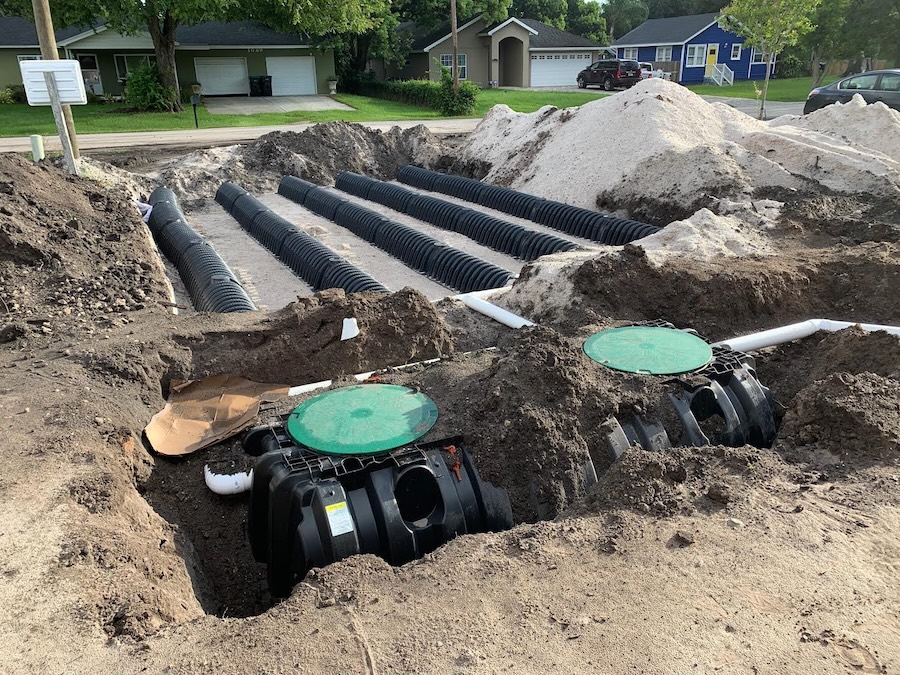
If the tank is damaged or collapsing, workers stabilize the soil and secure the area before continuing. Safety is the top priority, as buried tanks can release harmful gases or collapse unexpectedly if handled incorrectly. After the tank is out, the next step is filling the void. Most professionals backfill the space with clean soil or gravel to prevent future settling. If the property will connect to a new septic system, this area may later support part of the new installation.

Old tanks must be properly disposed of or recycled. Concrete can be crushed for fill material. Steel or fiberglass is transported to approved facilities. The contractor provides documentation of the disposal, which proves that the work followed environmental rules.

What to Expect After Removal

When the tank is gone and the site is restored, the property might look untouched, but a few final steps matter. The septic team in Orlando, FL should verify that all wastewater lines are sealed or redirected. If a new system or sewer connection is planned, these lines will connect to the new infrastructure.

You’ll receive a report or permit record confirming that septic tank removal was completed according to code. Keep this document in your property file. It protects you during home sales or inspections by showing the tank was professionally handled and no contamination remains. Soil around the removal site may settle slightly over time, especially after heavy rain. A light topsoil layer and grass seed can help stabilize the area. Avoid placing heavy structures or driveways directly over the former tank site unless the soil has been compacted and verified safe for load-bearing use.

Why Professional Removal Matters

DIY excavation might look like a way to save money, but it comes with real danger. Hidden power lines, soft ground, and trapped gases can turn an easy project into a serious safety problem. Professionals bring the right tools, understand local rules, and know what to do if a tank collapses or groundwater seeps in. Professional septic removal also keeps everything legal and contained. Florida law requires all contaminated materials to go to approved disposal sites. A1 Septic follows those rules carefully to protect your property and the environment from leaks or spills. A full septic tank removal in Orlando project typically takes one to two days once permits are approved. Professionals manage the paperwork, coordinate inspections, and leave the site clean and secure.

Common Questions About Removal and Replacement

Do I need to remove an old tank if I’m switching to city sewer?

Yes. Most municipalities require unused septic tanks to be either removed or properly decommissioned. Leaving an empty tank underground can cause collapse risks.

Can a tank be filled instead of removed?

In some cases, yes. A contractor can clean and crush the tank, then fill it with gravel or sand. This works when access is limited or when full removal could damage nearby structures. The method must still meet code and be approved by local authorities.

How long does the process take?

The schedule depends on permits, weather, and soil conditions. Once the job gets the green light, taking out the tank and filling the site typically takes only a couple of days.

Is it expensive?

The cost depends on factors like tank size, how easy it is to reach, and the type of soil on your property. It’s an investment, but getting it done right can save you from bigger expenses later.

Let Us Help You Maintain a Safe and Clean Property

Aging or abandoned septic tanks can collapse or leak waste into the ground. Professional septic tank removal keeps your home and land safe. It also helps maintain your property value by preventing environmental damage. The team at A1 Septic handles every removal with care, from inspection to final backfill. When you’re ready to move forward with septic removal in Orlando, Florida, call A1 Septic for a detailed on-site evaluation.
Septic Tank Removal

Frequently Asked Questions

How can I make my system last as long as possible?

Keep up with pumping, inspections, and mindful water use. A well-cared-for system can serve your home for decades without major issues.

What should I do if my septic alarm goes off?
Can I use rainwater collection with a septic system?
What happens during septic pumping?
Are septic tanks made of concrete or plastic better?
How do I winterize an unused cabin or seasonal home with a septic system?
Is colored or gray water from sinks treated differently?
How can I protect my septic system from damage during construction?
Our Services

Professional Septic Services for Every Need

At A1 Septic, we offer a full range of services to keep your system operating at its best. From septic tank pumping and inspections to repairs and new installations, our experienced team ensures every job is handled with care and precision.

Septic Tank Installation

A new septic system isn’t something to take lightly. It affects how your…

Septic Lift Stations

If you’ve ever wondered how wastewater moves uphill, the answer is lift stations.…

Septic Tank Repair

Most homeowners don’t think about their septic system until something smells off or…

ATU / Nitrogen-Reducing Septic Systems

If you live in a place where clean groundwater matters, knowing how advanced…

Septic Tank Removal

Replacing a septic system isn’t a simple DIY task. Whether your property…