10% Off Septic Tank Repair
10% Off Septic Tank Repair
Clean Solutions, Dirty Jobs – Done Right. Reliable. Responsive. Remarkable.
10% Off Septic Tank Repair
10% Off Septic Tank Repair
Clean Solutions, Dirty Jobs – Done Right. Reliable. Responsive. Remarkable.
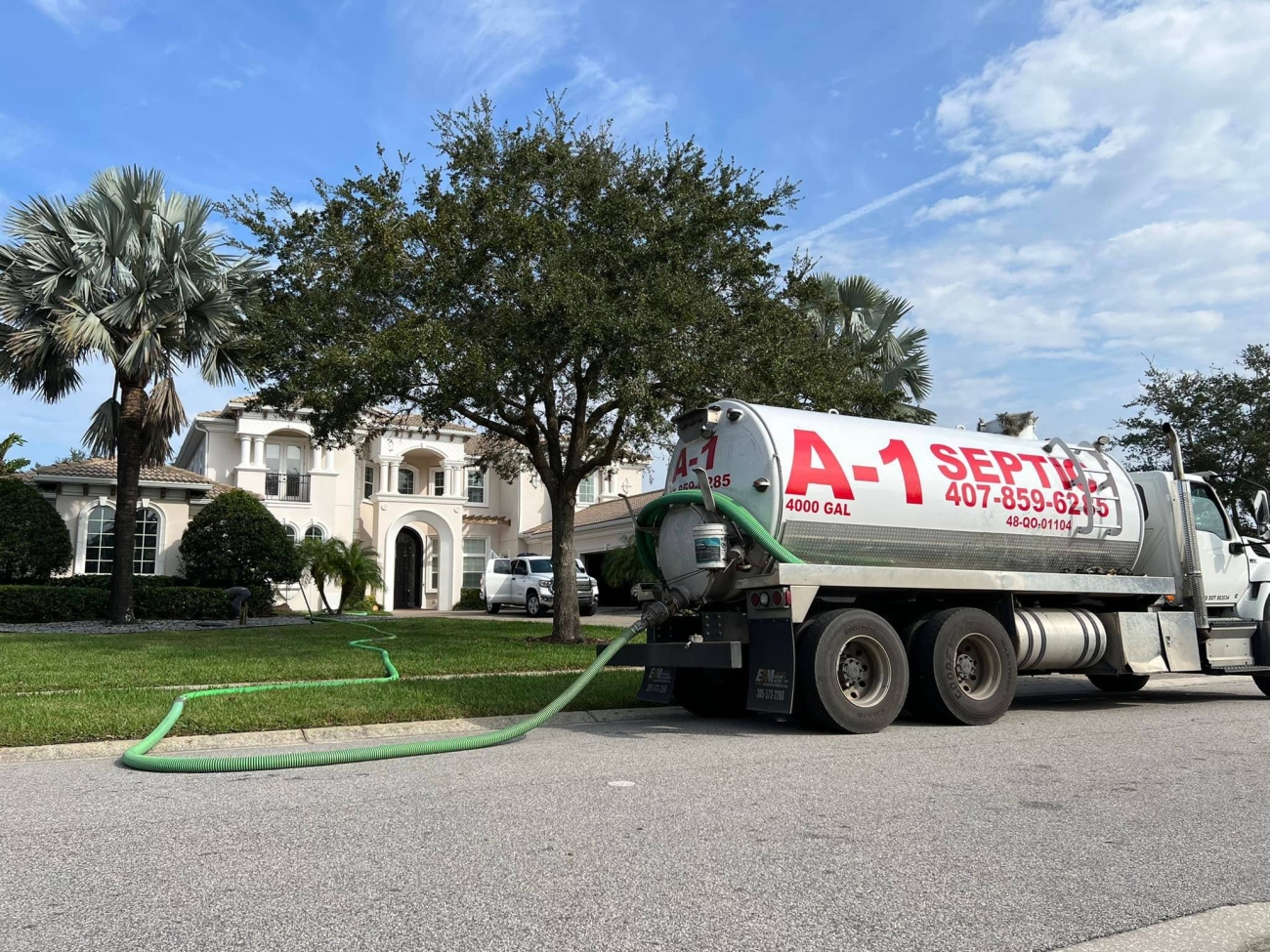
When it comes to managing wastewater in your home, you typically have two options: a septic system or a municipal sewer system. Each has its own advantages and drawbacks, and understanding these differences can help you make the right decision for your property. At A1 Septic, we provide reliable septic service solutions, including septic pumping, septic cleaning, and septic installation, to ensure your system runs smoothly.
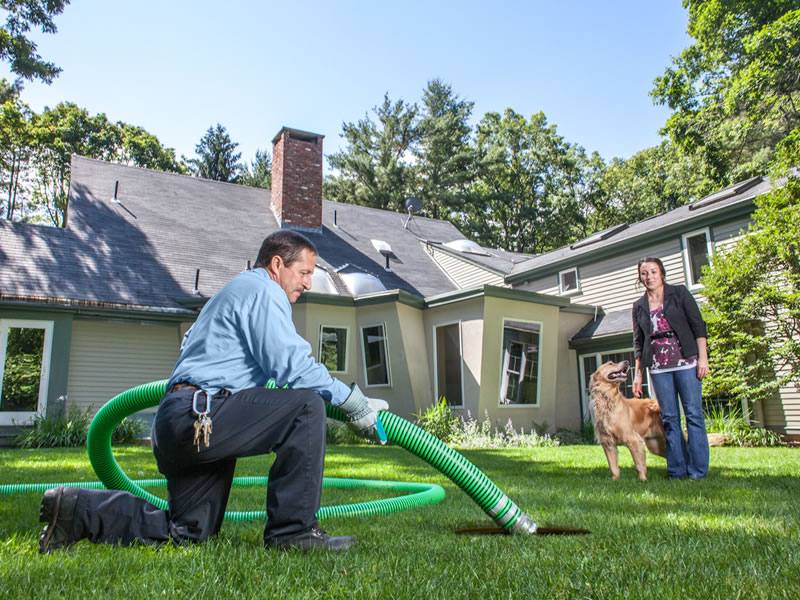
A septic system is an on-site wastewater treatment system commonly used in rural or suburban areas. Wastewater flows from your home into a septic tank, where solids settle, and liquids are filtered through a drain field.
With proper septic maintenance and routine septic inspection, these systems can last for decades and operate efficiently.
A sewer system is a centralized system managed by a municipality. Wastewater from multiple homes is transported through underground pipes to a treatment facility. Homeowners are responsible for paying monthly service fees but are not directly involved in system upkeep.
While installation costs can be higher upfront, septic systems often have lower long-term expenses. With regular septic pumping and septic cleaning, you can avoid costly repairs and monthly utility bills.
A septic system allows you to operate independently of municipal services. This can be especially beneficial in areas where sewer access is limited or unavailable.
When properly maintained, septic systems naturally filter wastewater through the soil, reducing environmental impact. Routine septic service helps ensure the system functions safely and efficiently.
With consistent septic maintenance and periodic septic inspection, a well-designed system can last 20–40 years or more.
Homeowners are fully responsible for upkeep. This includes regular septic pumping, inspections, and repairs. Neglecting maintenance can lead to system failure.
Septic systems require sufficient land for the tank and drain field, which may not be suitable for smaller properties.
Improper use or lack of septic cleaning can result in backups, odors, or drain field damage, leading to expensive repairs.
With a sewer system, the municipality handles maintenance and repairs. Homeowners don’t need to worry about scheduling septic service or inspections.
Sewer systems do not require on-site components like tanks or drain fields, making them ideal for densely populated areas.
There’s no need for routine septic pumping or monitoring, which makes sewer systems more hands-off for homeowners.
Unlike septic systems, sewer systems come with ongoing utility costs that can add up over time.
Since the system is managed by the city, homeowners have little control over repairs, maintenance schedules, or system upgrades.
Sewer line blockages or municipal system failures can affect entire neighborhoods, not just individual homes.
The choice between a septic system and a sewer system depends on your location, budget, and personal preferences. If you value independence and long-term savings, a septic system may be the better option. With proper septic installation and ongoing septic maintenance, it can provide reliable service for many years.
On the other hand, if you prefer convenience and minimal responsibility, a sewer system might be more suitable.
If you currently have or are considering a septic system, A1 Septic is your trusted septic company for professional support. From septic inspection and septic cleaning to full septic installation, we provide comprehensive services designed to keep your system operating at its best.
Choosing the right wastewater solution is an important decision for any homeowner. By understanding the pros and cons of septic and sewer systems, you can make an informed choice that fits your needs and ensures long-term efficiency.
At A1 Septic, we offer a full range of services to keep your system operating at its best. From septic tank pumping and inspections to repairs and new installations, our experienced team ensures every job is handled with care and precision.
Most people ignore their septic system until something smells off or the yard gets wet in places that should stay dry.…
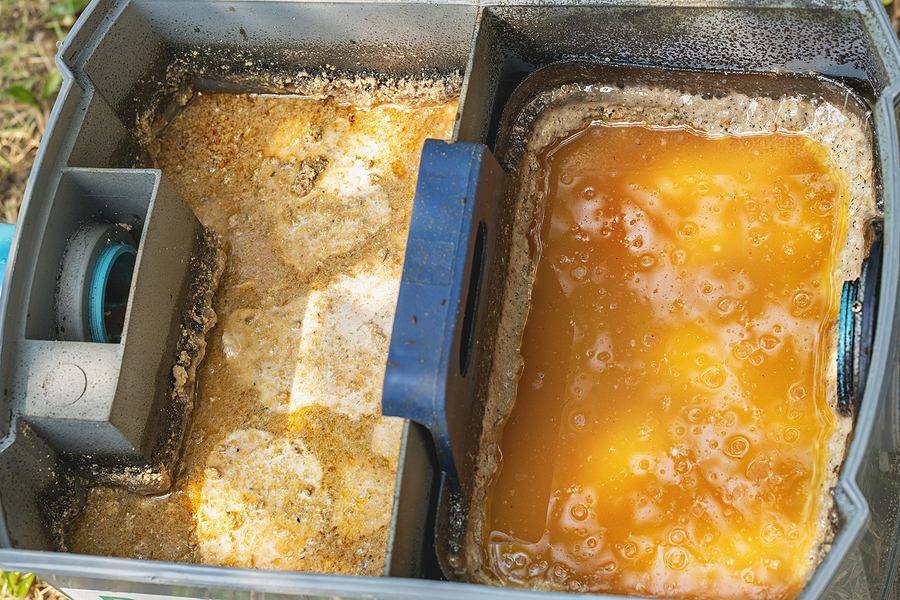
Every restaurant, café, and commercial kitchen relies on its grease trap to keep wastewater systems clear and local codes satisfied. When…
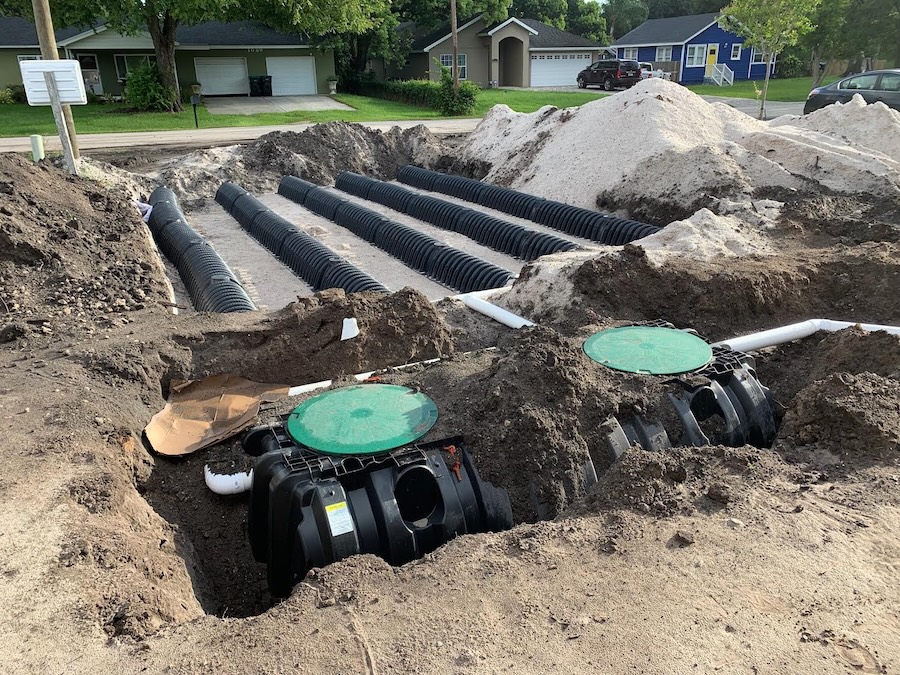
When people talk about septic systems, they usually think about the tank. But what happens after wastewater leaves that tank matters…
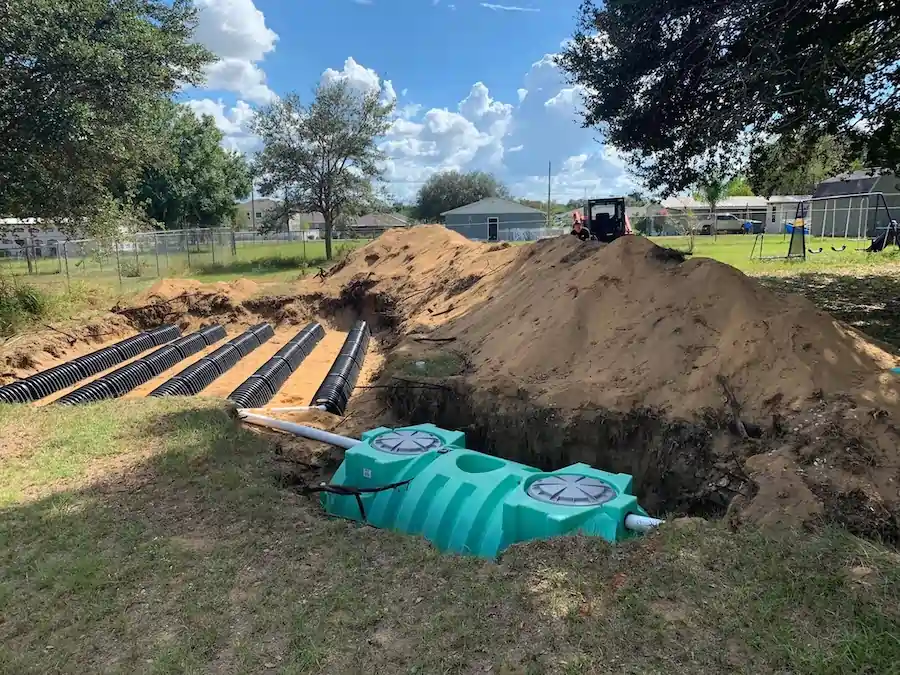
If your property has poor soil drainage or sits on a high water table, a traditional septic system won’t work. In…
 May 18, 2026
Your septic system is one of the most utilized and most neglected systems in your home. It treats all the wastewater…
Read More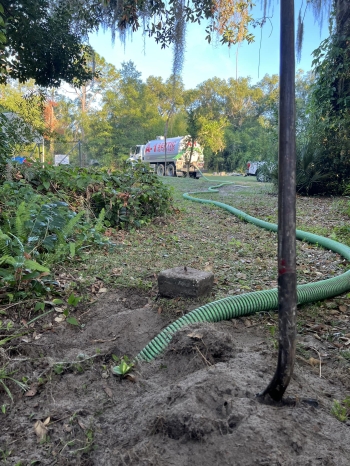 May 04, 2026
Trees offer a wide range of benefits, but they are also a major threat to your septic system. Roots are constantly…
Read More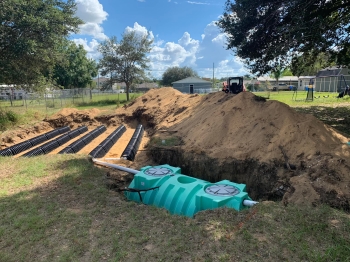 Apr 29, 2026
Septic systems operate behind the scenes, yet they play a crucial role in residential and commercial waste management. Unfortunately, “out of…
Read More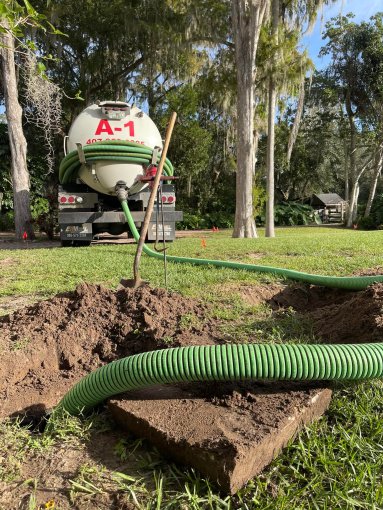 Apr 15, 2026
If you rely on a septic system for wastewater treatment, you know that maintaining it requires more than just regular…
Read More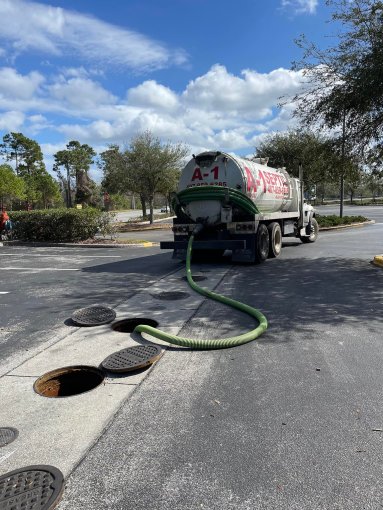 Apr 10, 2026
A septic system is essential for handling wastewater, but it depends on regular maintenance to function properly. Ignoring routine care can…
Read More