
10% Off Septic Tank Repair
10% Off Septic Tank Repair
Clean Solutions, Dirty Jobs – Done Right. Reliable. Responsive. Remarkable.
10% Off Septic Tank Repair
10% Off Septic Tank Repair
Clean Solutions, Dirty Jobs – Done Right. Reliable. Responsive. Remarkable.
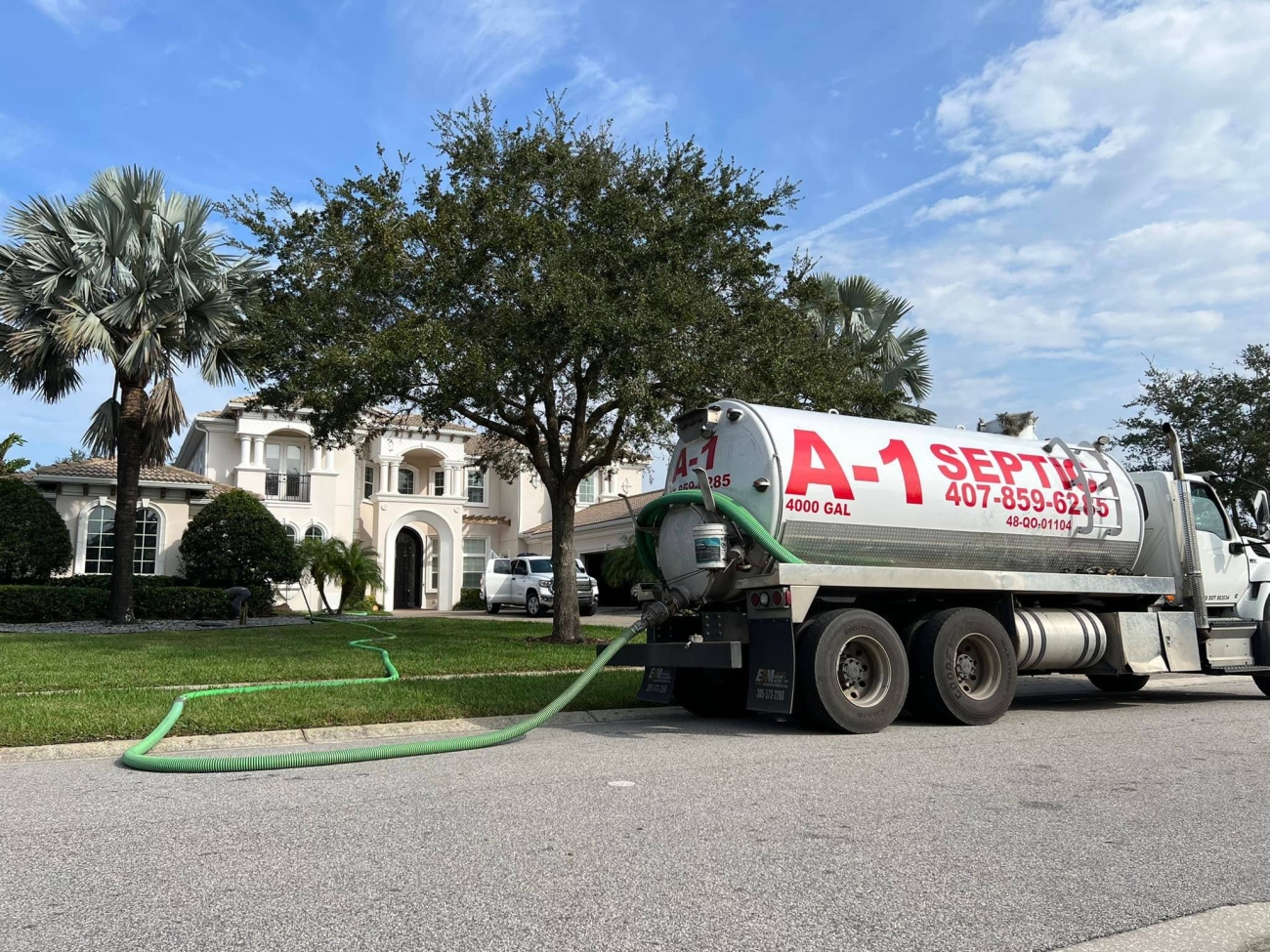
While trees can enhance the aesthetic appeal of your property, they can also pose a serious threat to septic tanks. Roots naturally seek out moisture, and your septic tank and drain lines provide a constant source. If left unchecked, tree roots can grow into your septic tank through crevices and cause a wide range of issues. Knowing how to prevent this damage and when to call a local septic company can save you from expensive and inconvenient problems.
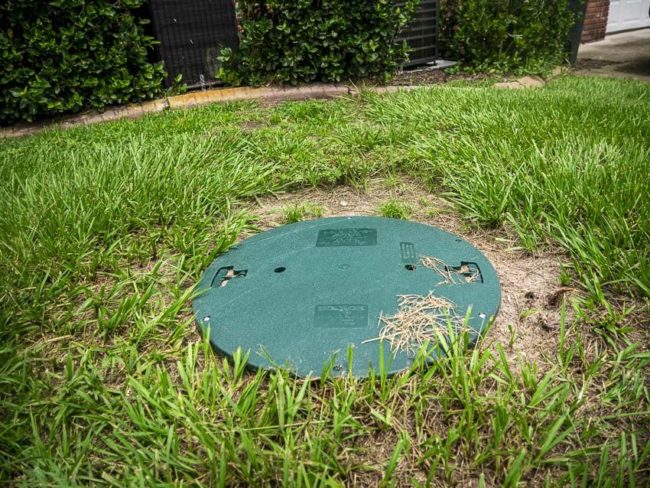
Many homeowners rarely give thought to how far trees can extend underground during septic installation. This is a common mistake that most property owners end up regretting. In fact, most trees grow 2 to 4 times the width of the tree’s dripline (canopy), often spreading more than 10 feet. If the roots reach your septic tank, they can infiltrate the tank through cracks or joints. This can lead to sewage leaks, blockages, and even premature septic failure. Fortunately, there are various strategies for managing and preventing tree root intrusion into your septic system.
Root damage often develops gradually, which means early symptoms can be easy to miss. Watch for these warning signs:
If you notice any of these issues, it’s important to schedule a professional septic inspection. Ignoring the problem can lead to full system failure. A1 Septic is one phone call away when you need a trusted septic service provider to inspect your septic system and make repairs.
If you’re planting trees near your septic tank, choose trees with less invasive roots like Kousa Dogwood, Star Magnolia, and Crape Myrtle. Avoid trees like willows, cottonwoods, silver maples, American elms, and poplars.
If you already have trees with aggressive root systems in your yard, consider installing root barriers to prevent tree roots from reaching the tank. The barriers should be buried 60 cm or more into the ground to block horizontal root growth. A local septic company can help you install root barriers for protecting your septic tank from tree root intrusion.
Routine septic inspections can help catch root problems before they cause costly damage. Have a licensed septic company pump your septic tank every 3-5 years to keep it functioning properly. Septic technicians can check for early signs of tree root intrusion and offer solutions before things get out of hand.
A good rule of thumb is to plant trees a minimum of 20 feet from the septic tank. This helps reduce the risk of roots growing into the tank. Smaller plants are acceptable close, but it’s wise to take no chances with the health of your septic tank.
Tree roots can turn your yard into a septic disaster and impact your entire plumbing system. If your septic tank is in disrepair and you need professional help, contact the pros at A1 Septic. Our team takes pride in offering top-quality septic services, including septic pumping, repairs, and inspections. We’ve been in the septic industry for over 60 years, offering dependable and budget-friendly services. A1 Septic is here to keep your septic system healthy and your roots in the right place.
At A1 Septic, we offer a full range of services to keep your system operating at its best. From septic tank pumping and inspections to repairs and new installations, our experienced team ensures every job is handled with care and precision.
Most people ignore their septic system until something smells off or the yard gets wet in places that should stay dry.…
Every restaurant, café, and commercial kitchen relies on its grease trap to keep wastewater systems clear and local codes satisfied. When…
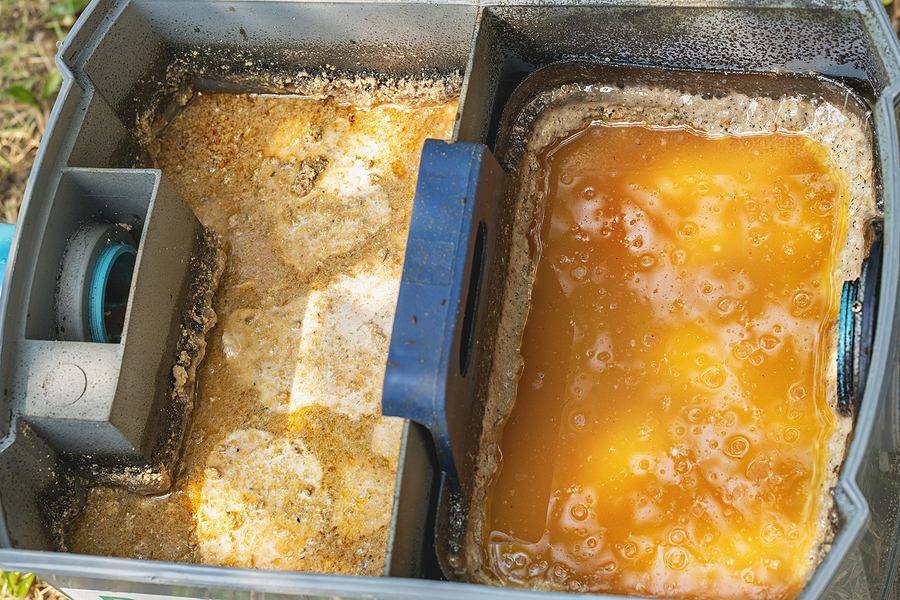
When people talk about septic systems, they usually think about the tank. But what happens after wastewater leaves that tank matters…
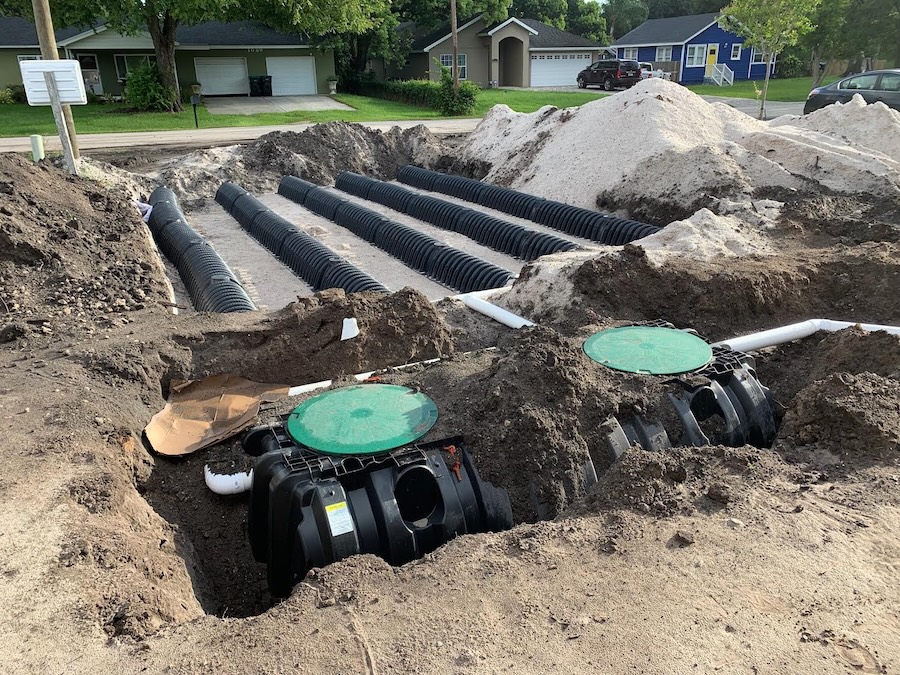
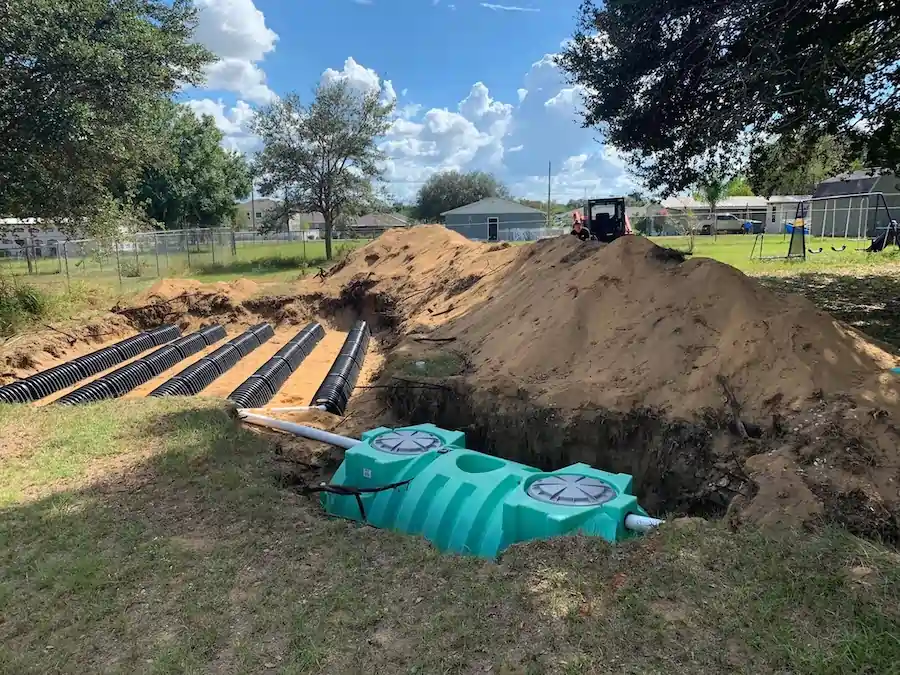
If your property has poor soil drainage or sits on a high water table, a traditional septic system won’t work. In…
 May 29, 2026
If you own a septic system, you know that regular and proper maintenance is a key part of keeping everything working…
Read More May 25, 2026
The summer season puts additional strain on home septic systems. With longer hours of sunshine, summer vacations, guests visiting the house,…
Read More May 18, 2026
Your septic system is one of the most utilized and most neglected systems in your home. It treats all the wastewater…
Read More May 04, 2026
Trees offer a wide range of benefits, but they are also a major threat to your septic system. Roots are constantly…
Read More Apr 29, 2026
Septic systems operate behind the scenes, yet they play a crucial role in residential and commercial waste management. Unfortunately, “out of…
Read More