
10% Off Septic Tank Repair
10% Off Septic Tank Repair
Clean Solutions, Dirty Jobs – Done Right. Reliable. Responsive. Remarkable.
10% Off Septic Tank Repair
10% Off Septic Tank Repair
Clean Solutions, Dirty Jobs – Done Right. Reliable. Responsive. Remarkable.
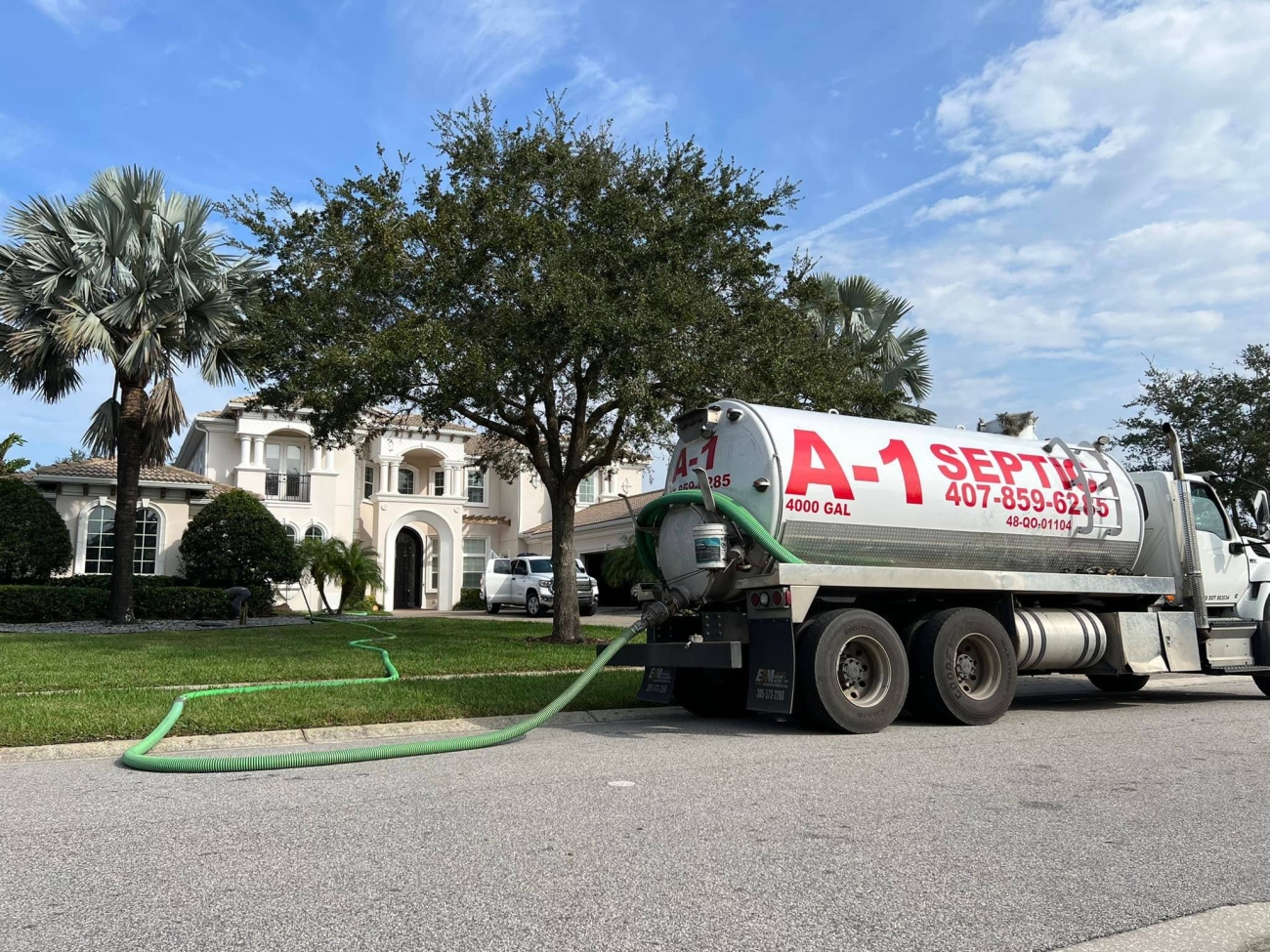
Do you have a septic system in your yard? If so, you know that it can go for months or even years without regular attention. However, this doesn’t mean that it is in top shape or running as expected. When you finally schedule a septic inspection or pumping, the first step is figuring out the tank’s location. This is particularly challenging due to the buried nature of most systems, or systems in rural properties like ranches, farms, and acreages. The good news is that A1 Septic can help you locate your tank without digging trenches and tearing down hardscaping features.
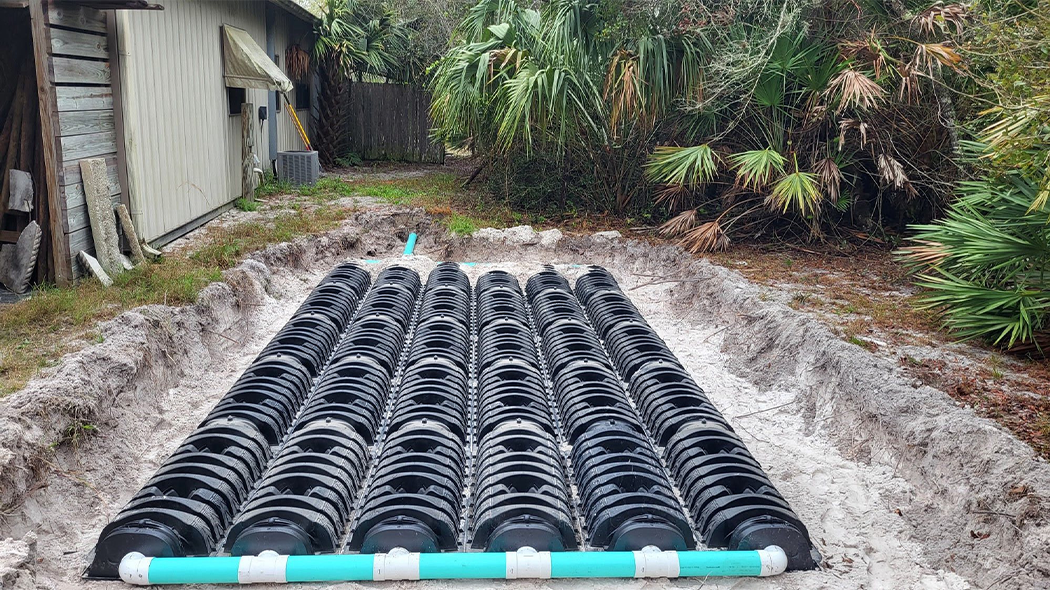
If you have septic maintenance planned, locating the tank ahead of time can save you a lot of time, money, and stress. A pumping crew charges by the hour, which means that every minute spent guessing and digging will reflect in the estimate for extra labor. Furthermore, unnecessarily digging your yard can damage sprinkler systems, landscaping, and even underground utility lines. Here’s a step-by-step guide to help you prepare for septic pumping and prevent costly disasters.
As a property owner, knowing your property’s septic location is essential. In most municipalities, you can request septic installation records from the local health department. These usually include a blueprint showing the tank, leach field, and distances from permanent structures. For properties in the rural area, the plan may be part of the original sale documents or building permits. If you prefer a more seamless approach, consult a local septic company to acquire the necessary records for your home.
Find the main sewer line’s entry point inside your house. This is usually in the crawl space or basement, leading out into the foundation wall. The tank outside is likely straight from the exit point, typically 10-25 feet from the house. If you live on a large rural lot, check farther from the exit point, especially if the leach field was placed in a specific area due to soil type. Plumbing infrastructure varies from one property to another, so consult a septic service provider for help if you can’t locate your unit.
Even without digging your yard, check for subtle signs that indicate possible septic installation. You may notice patches of greener grass in a specific area, a slight dip in the ground, plastic or concrete inspection lids, and snow melt patterns. While these clues can appear on any property, they are especially common on farms and ranches where the septic system is far from the house and hidden by landscaping, outbuildings, or pasture.
A soil probe can help you feel for solid surfaces underground without digging trenches or destroying your yard. Insert it gently several inches below the ground as you move along the main sewer line’s exit line to avoid damaging connected pipes and the lid. Some tanks are reinforced with rebar or metal components in the lids, making a metal detector helpful in your search. However, modern systems have plastic or fiberglass lids, so a probe is sufficient.
Knowing the exact location of your septic system is not just essential; it is a necessity for smooth septic maintenance services. Whether you live downtown or in the suburbs, a little detective work can save you hundreds, if not thousands, of dollars. If you need septic inspection or pumping, A1 Septic is your trusted partner for exceptional services. Contact us today to book an appointment with our experts and enjoy a reliable wastewater treatment unit all year round.
At A1 Septic, we offer a full range of services to keep your system operating at its best. From septic tank pumping and inspections to repairs and new installations, our experienced team ensures every job is handled with care and precision.
Most people ignore their septic system until something smells off or the yard gets wet in places that should stay dry.…
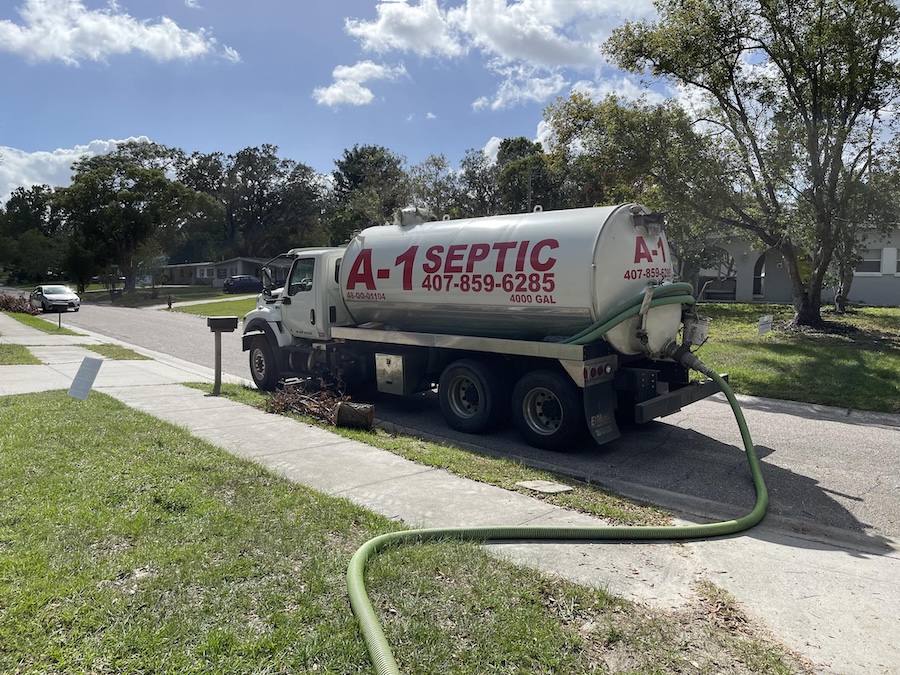
Every restaurant, café, and commercial kitchen relies on its grease trap to keep wastewater systems clear and local codes satisfied. When…
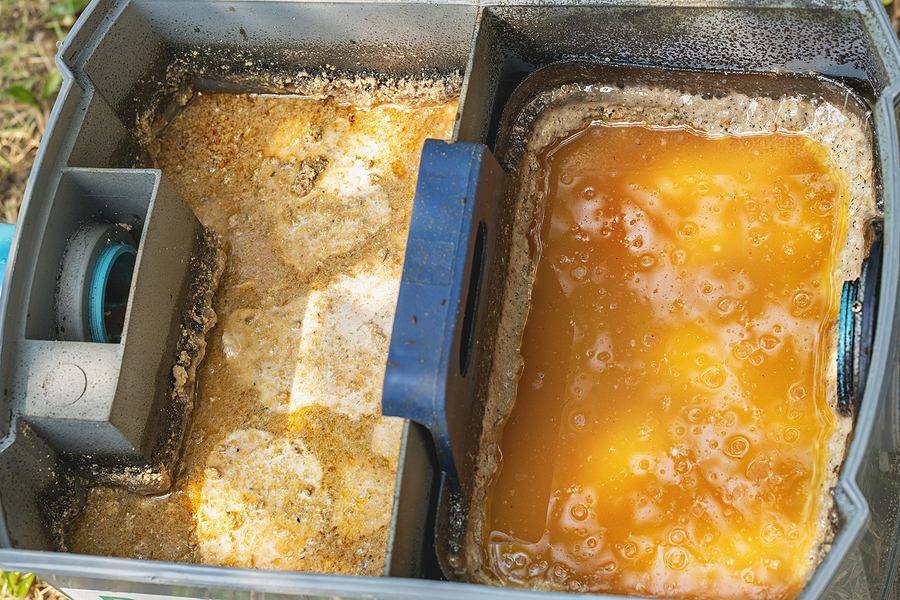
When people talk about septic systems, they usually think about the tank. But what happens after wastewater leaves that tank matters…
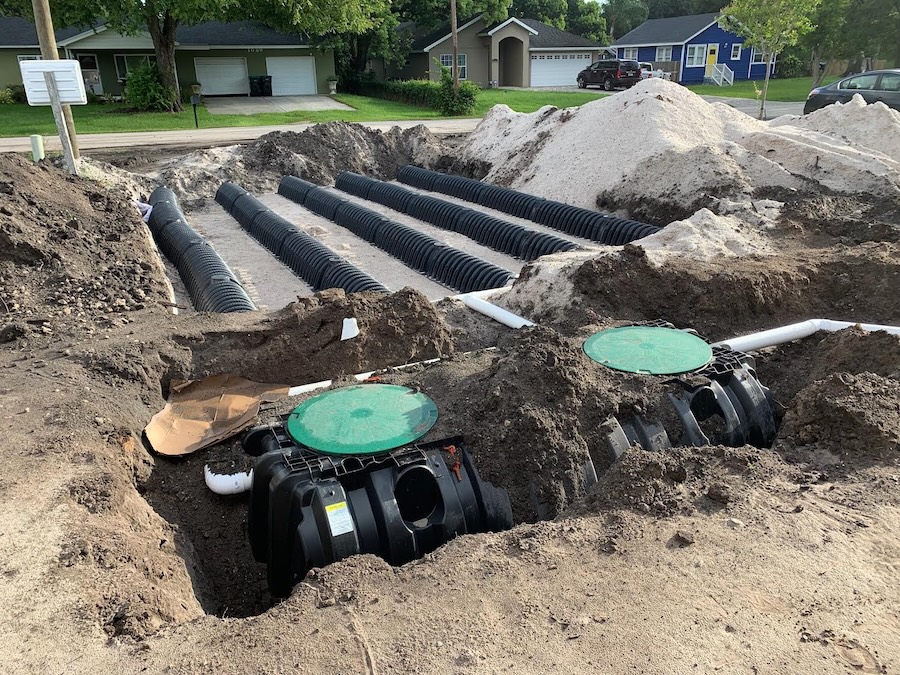
If your property has poor soil drainage or sits on a high water table, a traditional septic system won’t work. In…
 Jun 11, 2026
Do you have a septic system in your yard? If so, you know that it can go for months or even…
Read More May 29, 2026
If you own a septic system, you know that regular and proper maintenance is a key part of keeping everything working…
Read More May 25, 2026
The summer season puts additional strain on home septic systems. With longer hours of sunshine, summer vacations, guests visiting the house,…
Read More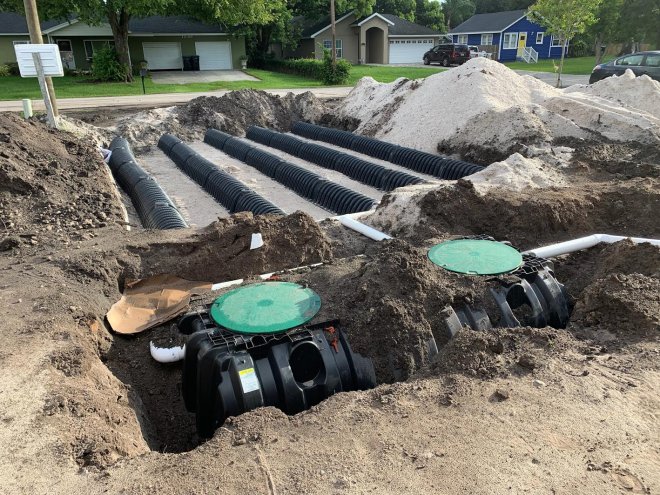 May 18, 2026
Your septic system is one of the most utilized and most neglected systems in your home. It treats all the wastewater…
Read More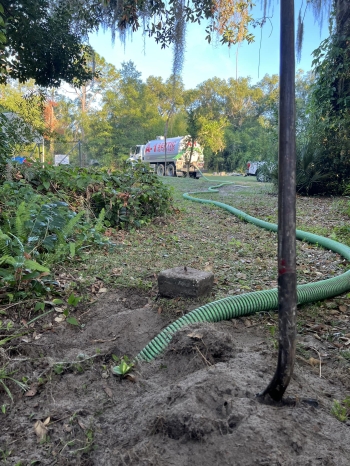 May 04, 2026
Trees offer a wide range of benefits, but they are also a major threat to your septic system. Roots are constantly…
Read More