10% Off Septic Tank Repair
10% Off Septic Tank Repair
Clean Solutions, Dirty Jobs – Done Right. Reliable. Responsive. Remarkable.
10% Off Septic Tank Repair
10% Off Septic Tank Repair
Clean Solutions, Dirty Jobs – Done Right. Reliable. Responsive. Remarkable.
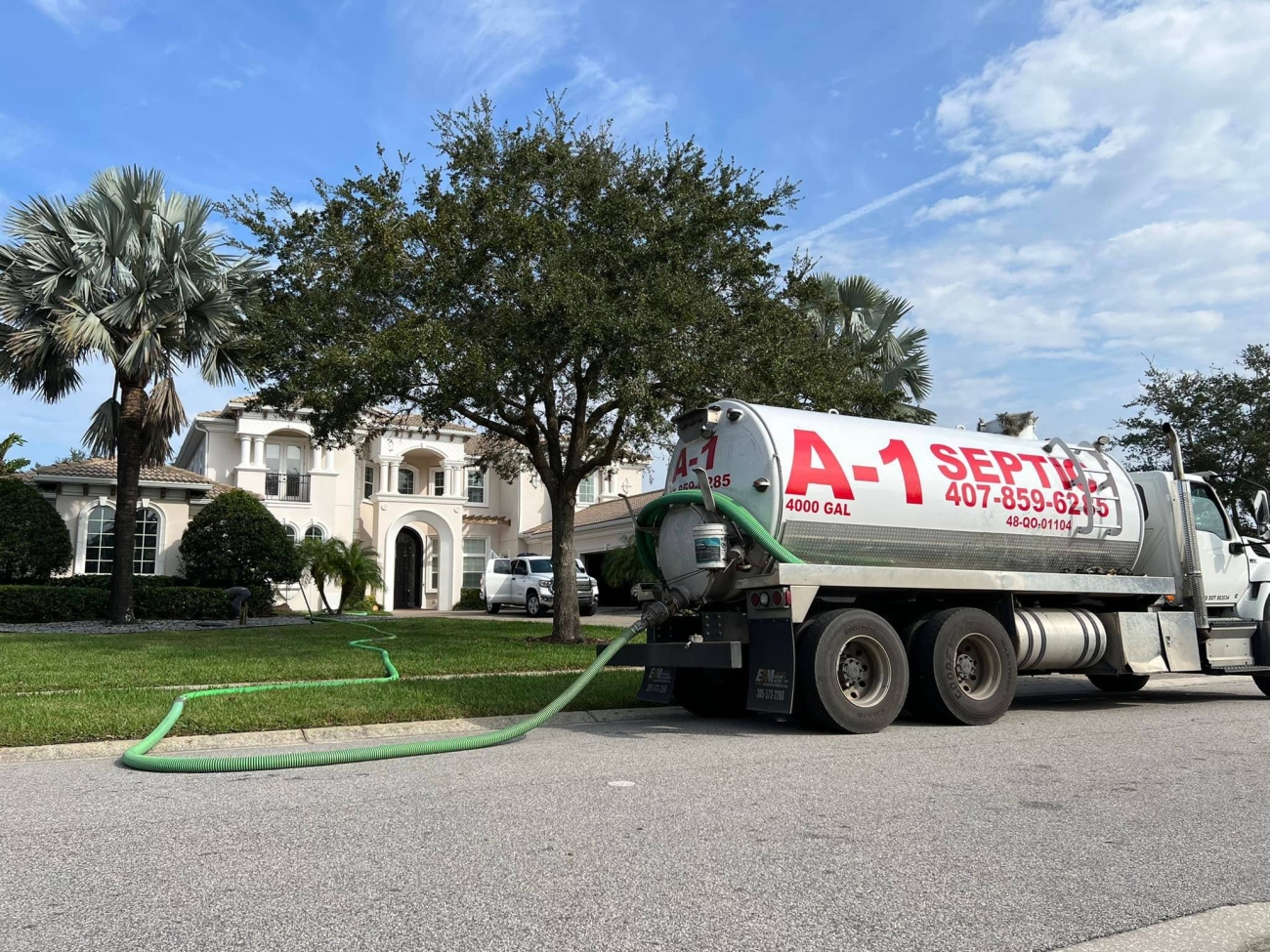
Septic systems play a crucial role in residential and commercial waste management, especially in areas without a municipal system. Whether you want to move into a new house or are considering a first-time septic installation, understanding the different types of systems available on the market can help you make informed decisions. At A1 Septic, we believe that choosing the right system depends on various factors, including soil type, property size, water table, and local regulations. Our goal is to ensure you understand your options and invest in the right choice for your home.
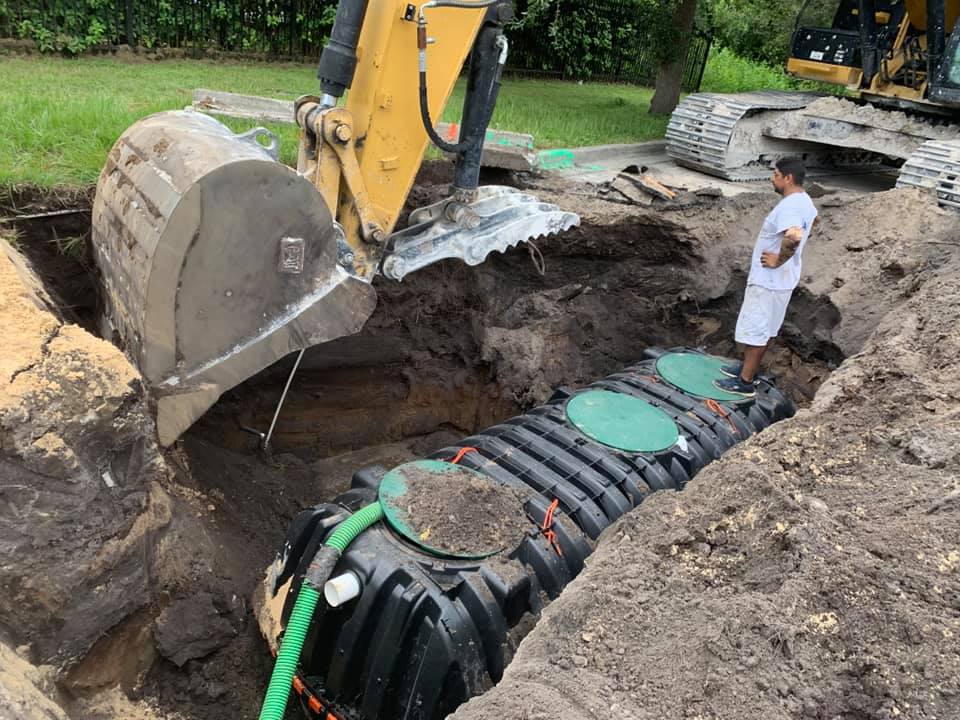
Did you know that 25% of U.S. homes rely on a septic system for waste management? If you are part of this demographic, it is crucial to know how your system works. The reality is that the principles behind city wastewater treatment plants and septic systems are quite similar. With that in mind, familiarizing yourself with the different systems can make a big difference.
This is the most common septic system. Wastewater flows from your indoor and outdoor drains into a watertight tank underground. Scum is lighter and floats to the top, while heavy solids sink to the bottom. The liquid effluent in the middle then flows into a drain or leach field, which consists of perforated pipes and gravel for further treatment before seeping through the ground. If you live in an area with well-drained soil, a low water table, and ample flat land, this may be the best option for your septic installation project.
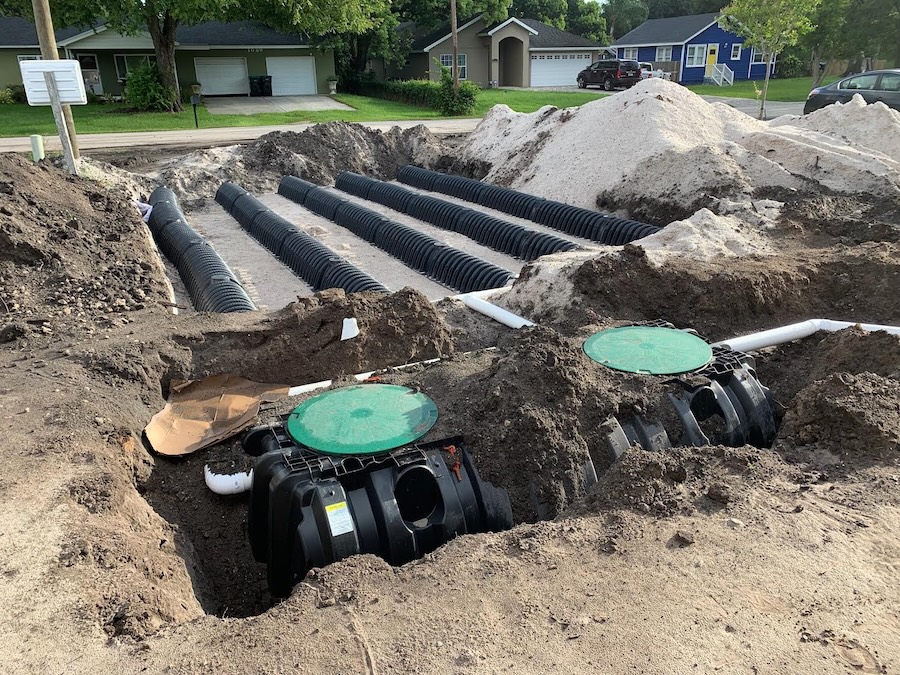
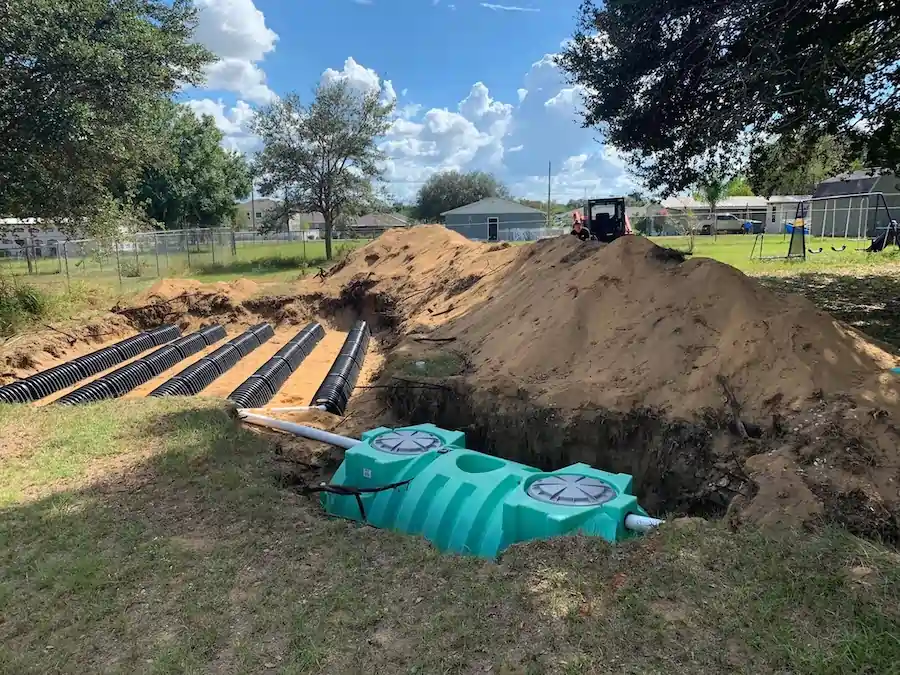
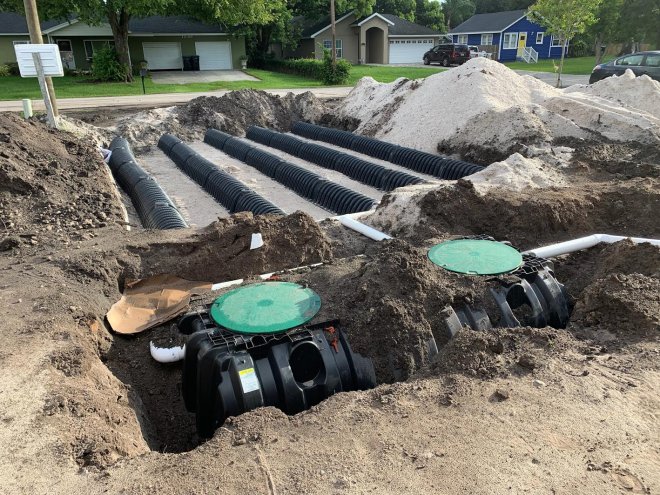
While the latter uses gravel to treat wastewater, chamber systems use a series of plastic chambers that allow liquid effluent to flow and infiltrate the soil. The open-bottomed design of these chambers allows for easier flow distribution, making it ideal for areas with scarce gravel or high groundwater. Additionally, chamber septic systems are easy to install and offer better flow control, making them more durable without the need for frequent septic maintenance. The main drawback of chamber systems is the higher upfront cost compared to traditional gravel systems, which is a crucial consideration when choosing a waste management unit.
The drip distribution system is designed to disperse effluent through small-diameter pipes installed close to the surface of the soil. This method allows for better absorption, especially in properties with limited space. Unlike chamber and traditional systems, drip distribution requires a large mound of soil, reducing the damage to your yard. Also, even distribution of wastewater ensures effective treatment by soil, protecting groundwater and the environment.
The list of septic systems on the market is not limited to the ones mentioned, so consult a reputable septic company in Orlando, FL to help you navigate the process seamlessly. If you still need help to decide, consider your household size and water usage. Conventional systems come in different tank sizes, hence the need to choose the right capacity for your home. An undersized system can lead to frequent septic pumping and emergency repairs, disrupting your daily activities.
Another crucial consideration is site topography, as steep slopes or low-lying areas may require specialized design to manage flow and prevent contamination. Also, the topography can influence future maintenance, such as septic cleaning, which can be stressful and costly if you choose the wrong system.
Do you understand the types of septic systems available? Contact A1 Septic to book an appointment with our experts and learn ways to keep your wastewater treatment unit running smoothly. We provide comprehensive services, including septic inspection, repair, and pumping, at friendly rates.
At A1 Septic, we offer a full range of services to keep your system operating at its best. From septic tank pumping and inspections to repairs and new installations, our experienced team ensures every job is handled with care and precision.
Most people ignore their septic system until something smells off or the yard gets wet in places that should stay dry.…
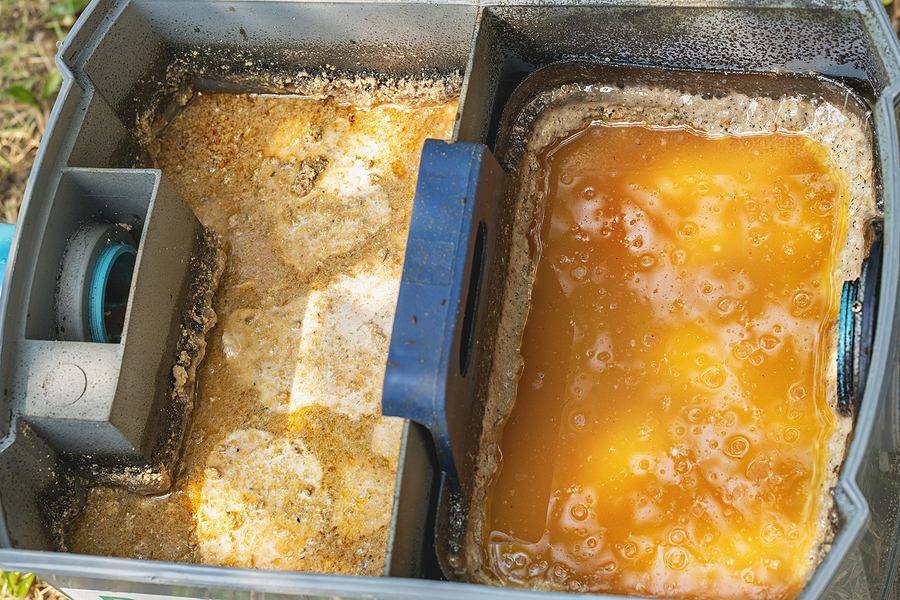
Every restaurant, café, and commercial kitchen relies on its grease trap to keep wastewater systems clear and local codes satisfied. When…
When people talk about septic systems, they usually think about the tank. But what happens after wastewater leaves that tank matters…
If your property has poor soil drainage or sits on a high water table, a traditional septic system won’t work. In…
 May 18, 2026
Your septic system is one of the most utilized and most neglected systems in your home. It treats all the wastewater…
Read More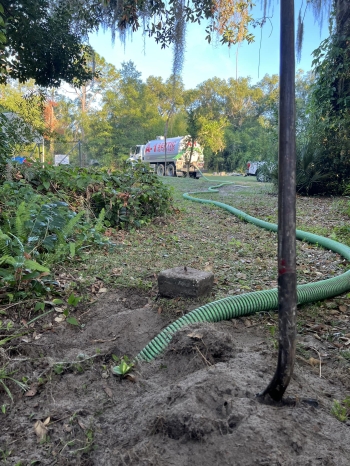 May 04, 2026
Trees offer a wide range of benefits, but they are also a major threat to your septic system. Roots are constantly…
Read More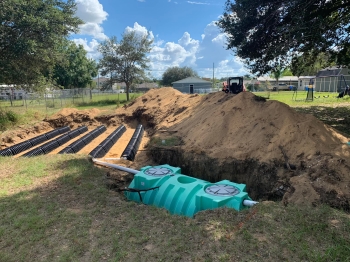 Apr 29, 2026
Septic systems operate behind the scenes, yet they play a crucial role in residential and commercial waste management. Unfortunately, “out of…
Read More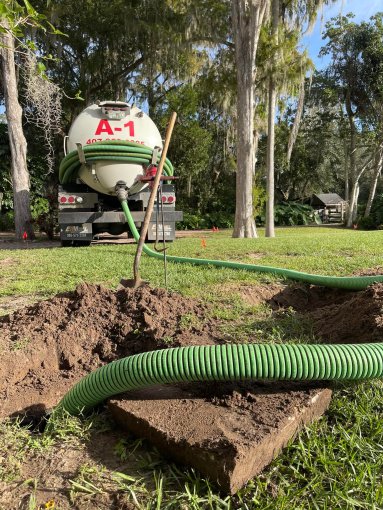 Apr 15, 2026
If you rely on a septic system for wastewater treatment, you know that maintaining it requires more than just regular…
Read More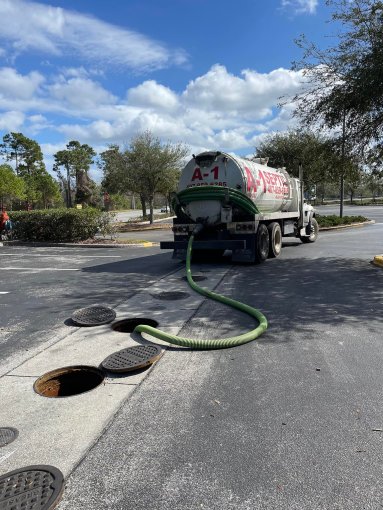 Apr 10, 2026
A septic system is essential for handling wastewater, but it depends on regular maintenance to function properly. Ignoring routine care can…
Read More