
10% Off Septic Tank Repair
10% Off Septic Tank Repair
Clean Solutions, Dirty Jobs – Done Right. Reliable. Responsive. Remarkable.
10% Off Septic Tank Repair
10% Off Septic Tank Repair
Clean Solutions, Dirty Jobs – Done Right. Reliable. Responsive. Remarkable.
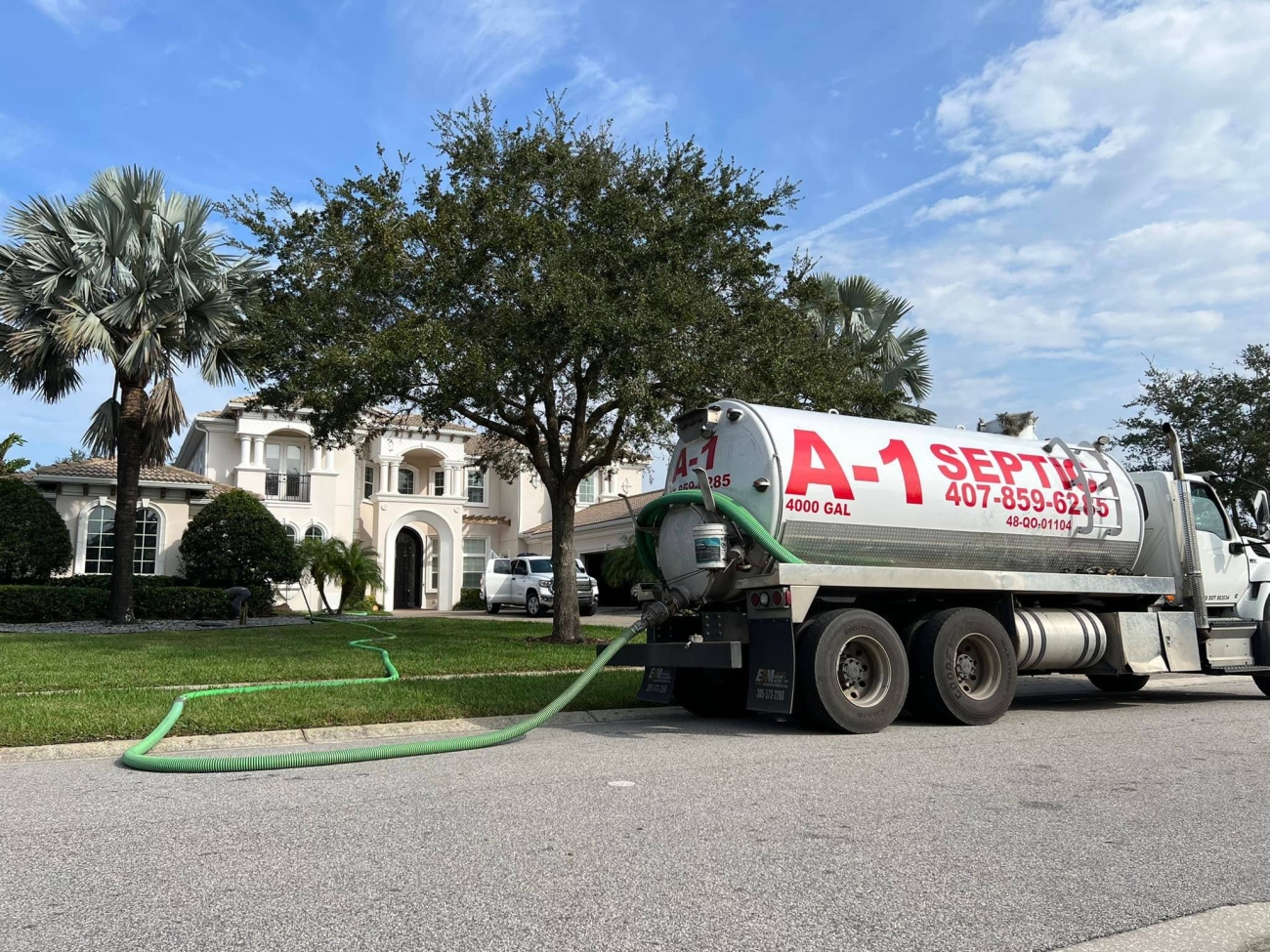
Septic systems play a crucial role in ensuring properties without a public sewer line. While these systems can handle large volumes of waste, they have a limit to avoid overflows and other hazardous scenarios. With this in mind, prioritizing regular care is crucial in maintaining safe effluent levels in the tank all year round. At A1 Septic, we believe that understanding how septic pumping works can help you take a more proactive approach and avoid costly surprises that cost more to fix. If you rely on an on-site septic unit for your waste management needs, here’s what you need to know about pumping.
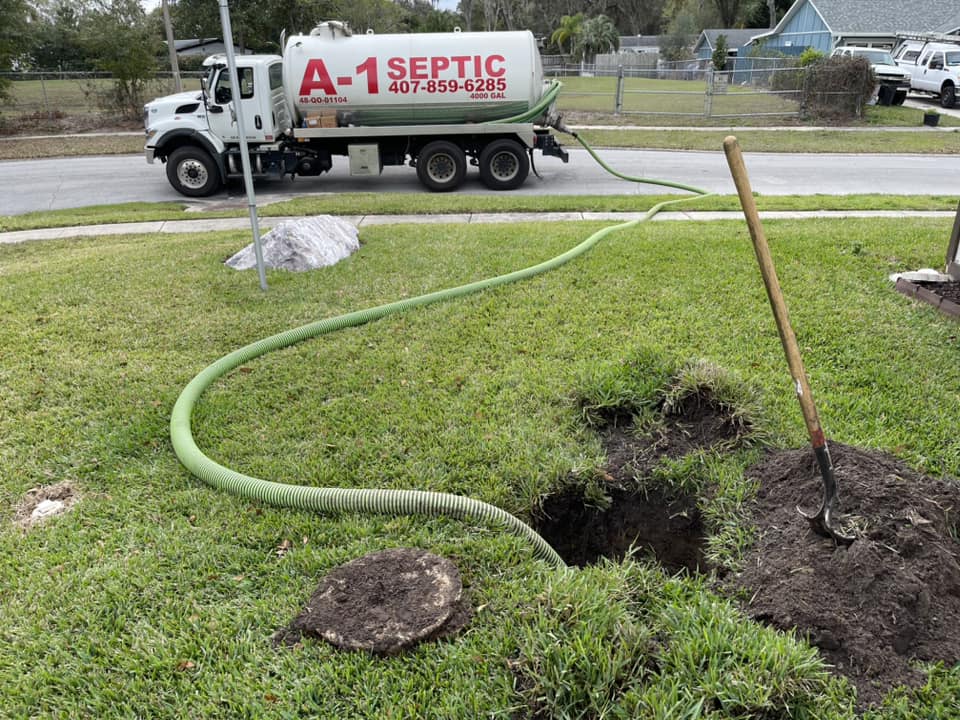
The primary goal of routine septic tank pumping and cleaning is to prevent the buildup of materials that could flow into and damage the leach field. According to septic service providers and industry experts in Orlando, FL, maintenance should be done every three to five years, but this depends on tank size, water usage, and the number of household members. By familiarizing yourself with the waste that septic pumping removes, you can implement better disposal habits and avoid hazardous scenarios. When the septic company arrives with large vacuum trucks attached to specialized hoses, here’s what they extract.
Wastewater from your building collects in the tank, separating solid and liquid waste. Heavy waste sinks and froth floats, which leaves effluent in the middle. Effluent usually makes up most of the tank’s volume and flows into the drain field for further filtration. In excess, this process is obstructed, prompting professional septic cleaning.
As mentioned, froth or scum floats to the top. This layer is the lightest and often comprises grease, oils, and fats. Septic pumping safely removes the effluent and scum simultaneously, restoring functionality and safety. If left unchecked, accumulated scum can mix with solid particles and clog the pipes, leading to inefficiency and damage.
Over time, some of the loose solid waste that has settled at the bottom forms sludge. Although septic systems can handle a large amount of sludge, when it exceeds a certain level, it can pose serious risks. Regular inspections by a trusted septic service provider can ensure timely pumping and help you avoid overflows.
The reality is that septic pumping equipment can remove every item that ends up in the tank. However, some can fall through the cracks, especially hardened materials that adhere to the interior wall lining. Let’s look at the limitations that make septic pumping ineffective.
Solid waste sinks to the bottom of the tank and accumulates. Over time, the heaviest solids adhere together and harden, forming a dense layer that normal vacuuming cannot pick up. That’s why professionals conduct thorough septic cleaning after pumping to ensure effective and long-lasting solutions.
Another type of waste that normal septic pumping cannot remove is stuck-on waste. This comprises materials that have accumulated on the baffles and interior walls of the tank. Stuck-on waste may not raise concerns initially, but it can build up if left unchecked and compromise system performance.
Finally, items that take longer to break down can be challenging to pump out. These usually include products labeled as "flushable" by manufacturers, such as wet wipes, feminine hygiene products, and paper towels. Non-biodegradable items can accumulate and clog the system, leading to backups, overflows, and environmental hazards.
At A1 Septic, we offer a more intensive septic cleaning service, which involves using high-pressure water and mechanical tools to break up the hardened waste. Contact us today to book an appointment with our experts and learn more ways we can improve septic performance and longevity.
At A1 Septic, we offer a full range of services to keep your system operating at its best. From septic tank pumping and inspections to repairs and new installations, our experienced team ensures every job is handled with care and precision.
Most people ignore their septic system until something smells off or the yard gets wet in places that should stay dry.…
Every restaurant, café, and commercial kitchen relies on its grease trap to keep wastewater systems clear and local codes satisfied. When…
When people talk about septic systems, they usually think about the tank. But what happens after wastewater leaves that tank matters…
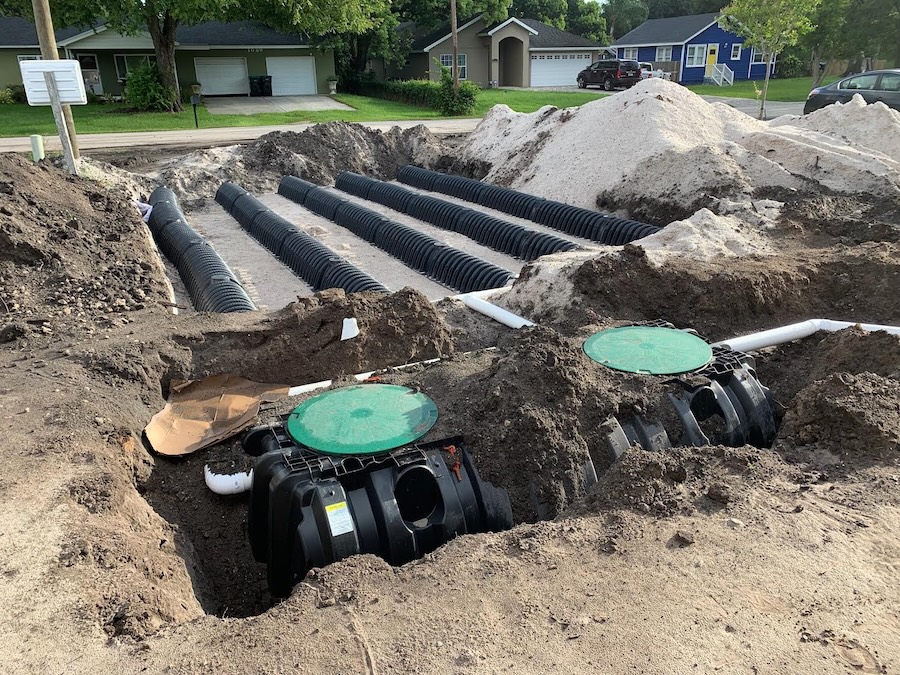
If your property has poor soil drainage or sits on a high water table, a traditional septic system won’t work. In…
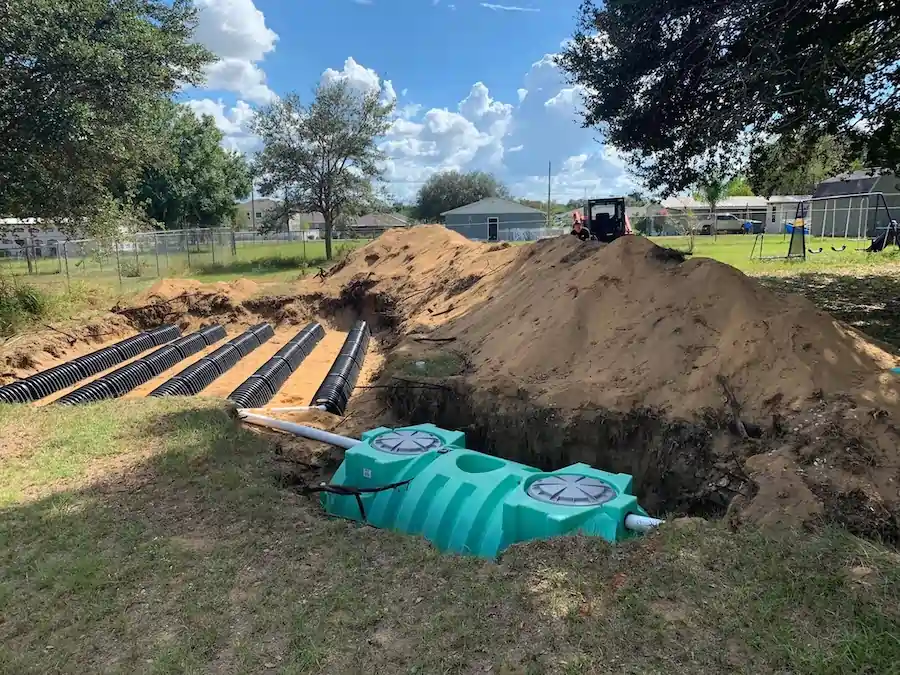
 May 25, 2026
The summer season puts additional strain on home septic systems. With longer hours of sunshine, summer vacations, guests visiting the house,…
Read More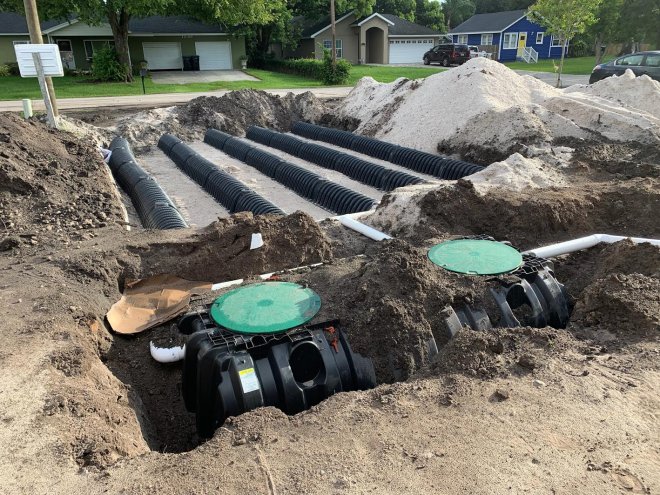 May 18, 2026
Your septic system is one of the most utilized and most neglected systems in your home. It treats all the wastewater…
Read More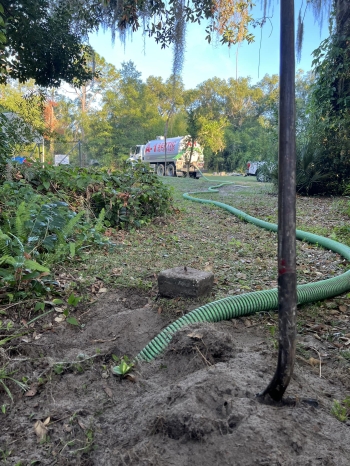 May 04, 2026
Trees offer a wide range of benefits, but they are also a major threat to your septic system. Roots are constantly…
Read More Apr 29, 2026
Septic systems operate behind the scenes, yet they play a crucial role in residential and commercial waste management. Unfortunately, “out of…
Read More Apr 15, 2026
If you rely on a septic system for wastewater treatment, you know that maintaining it requires more than just regular…
Read More